
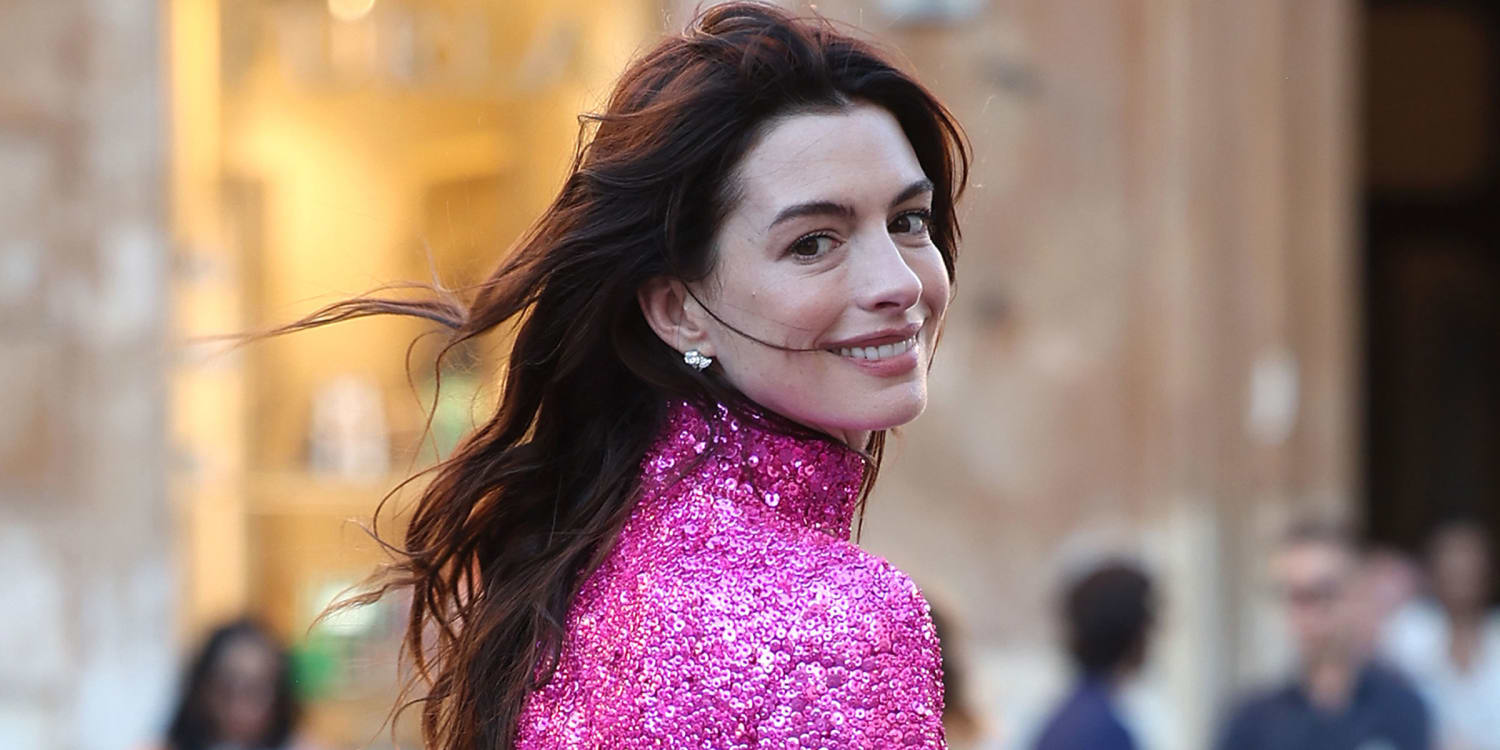

Over time, Anne Hathaway has established herself as an influential figure not only in cinema but also in the fashion industry, with many memorable appearances featured in Vogue magazine. Celebrated for her ageless beauty, adaptability as an actress, and dynamic fashion choices, Hathaway’s connection with Vogue has provided admirers with insights into her personal experiences, significant career achievements, and constantly shifting fashion tastes.
From the initial phases of her journey as an emerging star in the Hollywood scene to her established position as an experienced actress and fashion symbol, Hathaway’s appearances in Vogue demonstrate the transformations in both her career and public persona. Each article has documented a unique segment of her life, merging haute couture with genuine perspectives on the individual beyond the spotlight.
One of Hathaway’s earliest notable features in Vogue came during the mid-2000s, a period when her career was reaching new heights following the release of The Princess Diaries and The Devil Wears Prada. The latter, in particular, not only solidified her position in Hollywood but also introduced her to the world of high fashion—a connection that would grow even stronger in the years to come. Vogue’s coverage at the time presented Hathaway as the quintessential modern woman: intelligent, charming, and effortlessly stylish.
In those formative interviews, Hathaway was open about her initial discomfort with the fashion industry. Despite starring in one of cinema’s most iconic fashion films, she admitted to feeling like an outsider in the world of designer clothes and runway shows. Vogue highlighted her relatability, positioning her as someone who, despite her glamour, remained down-to-earth and approachable.
As her career matured, Hathaway’s features in Vogue began to reflect a more sophisticated and confident woman. Her 2008 appearance, timed with the release of Rachel Getting Married, showcased not only a shift in her acting choices but also a deeper exploration of her personal life. The photos captured Hathaway in elegant, understated looks, signaling a departure from the whimsical styles associated with her earlier roles. The accompanying profile delved into her thoughts on fame, relationships, and the challenges of navigating a public life—all themes that resonated with readers.
During the 2010s, Hathaway’s connection with fashion became increasingly prominent, with Vogue serving as a crucial outlet for showcasing her changing sense of style. A notably unforgettable feature took place alongside her performance as Catwoman in The Dark Knight Rises. The editorial was daring, avant-garde, and transformative, with Hathaway adopting streamlined forms and a more shadowy visual style. This change highlighted both her adaptability as an actress and her skill to revamp her image—an important quality in the constantly shifting realm of celebrity fashion.
In addition to her wardrobe choices, Hathaway’s conversations in interviews from this period showed an increasing self-assurance and readiness to talk about issues like self-esteem, psychological wellness, and the demands of the entertainment industry. Her openness won the admiration of both her supporters and reviewers, enhancing the sophisticated images that were part of each article. Vogue, on the other hand, portrayed her as more than just a style icon, highlighting her as an intelligent and expressive individual willing to defy norms.
Another noteworthy highlight in Hathaway’s journey with Vogue was marked by her Oscar victory in 2013 for Les Misérables. The media following her win at the Academy Awards showcased Hathaway at both a career and personal peak. The style focused on traditional Hollywood elegance, highlighting perfectly fitted dresses, opulent materials, and enduring allure. However, the accompanying stories delved into the vulnerability she felt under public attention, especially as she dealt with intense media examination during that time.
Hathaway’s ability to persevere became a prominent topic in her subsequent Vogue features. Following a period away from the public scene to prioritize her private life and expanding family, she re-emerged with revitalized enthusiasm and outlook. Articles from Vogue in this time frequently highlighted equilibrium—between professional life and parenting, public image and personal identity, drive and genuineness.
Her discussions started to bring attention to larger topics like the empowerment of women, gender equality in show business, and the significance of utilizing one’s influence for impactful change. These dialogues mirrored Hathaway’s own growth and the evolving cultural scenery. Vogue, famous for its skill in combining fashion with social awareness, offered the ideal setting for these insights.
In more recent features, Hathaway has embraced a bolder, more experimental fashion sense. She has been seen wearing avant-garde designs, vibrant colors, and daring silhouettes that reflect a woman entirely at ease with herself. The styling choices in these shoots reflect not just current trends but also Hathaway’s willingness to take risks and express her individuality—an attribute that has become central to her enduring appeal.
The actress has openly discussed her experiences with getting older in Hollywood, a sector frequently criticized for how it deals with women past 40. During interviews, she has conveyed her thankfulness for the ongoing opportunities she receives while promoting broader representation and inclusivity throughout the entertainment field. These intricate discussions have lifted her Vogue features above simple fashion displays, making them venues for significant conversation.
Anne Hathaway’s ability to remain relevant in both fashion and film over two decades speaks to her adaptability and authenticity. Her appearances in Vogue have chronicled this journey, offering snapshots of a woman who has grown from ingénue to Oscar-winner, from reluctant fashion participant to style icon. Each feature reveals a different facet of her personality, allowing readers to witness her evolution in both subtle and striking ways.
As Hathaway ventures into various new positions, both in her acting career and beyond, her bond with Vogue is expected to grow even more. The publication has not only showcased her evolving fashion sense but has also offered a perspective for the public to grasp her professional journey, her obstacles, and her successes. In a field where continual transformation is crucial for enduring success, Hathaway’s journey exemplifies the strength of being genuine and persistent.
Fashion, after all, is more than just clothes—it is expression, transformation, and storytelling. Hathaway’s Vogue moments exemplify this truth. Whether appearing in elegant couture or edgy contemporary designs, she has consistently used fashion as a way to reflect her inner growth and to engage with broader cultural conversations. In doing so, she has remained both relevant and revered, inspiring audiences far beyond the silver screen.
Looking ahead, Hathaway’s impact on both fashion and film seems poised to continue. With new projects, public advocacy, and an ever-evolving sense of style, she remains a compelling figure in both industries. As Vogue undoubtedly captures future chapters of her journey, readers can expect more than just stunning photography—they can expect insight into the heart and mind of an artist unafraid to evolve, to challenge herself, and to speak her truth.
Anne Hathaway’s unforgettable Vogue appearances are characterized more by the narratives she conveys and the genuineness she exudes than just by her outfits.



:max_bytes(150000):strip_icc()/fashion-designer-coco-chanel--1883-1971----c--early-50-s-89865776-5c85557f46e0fb0001a0be81.jpg "Coco Chanel, Famed Fashion Designer and Executive")