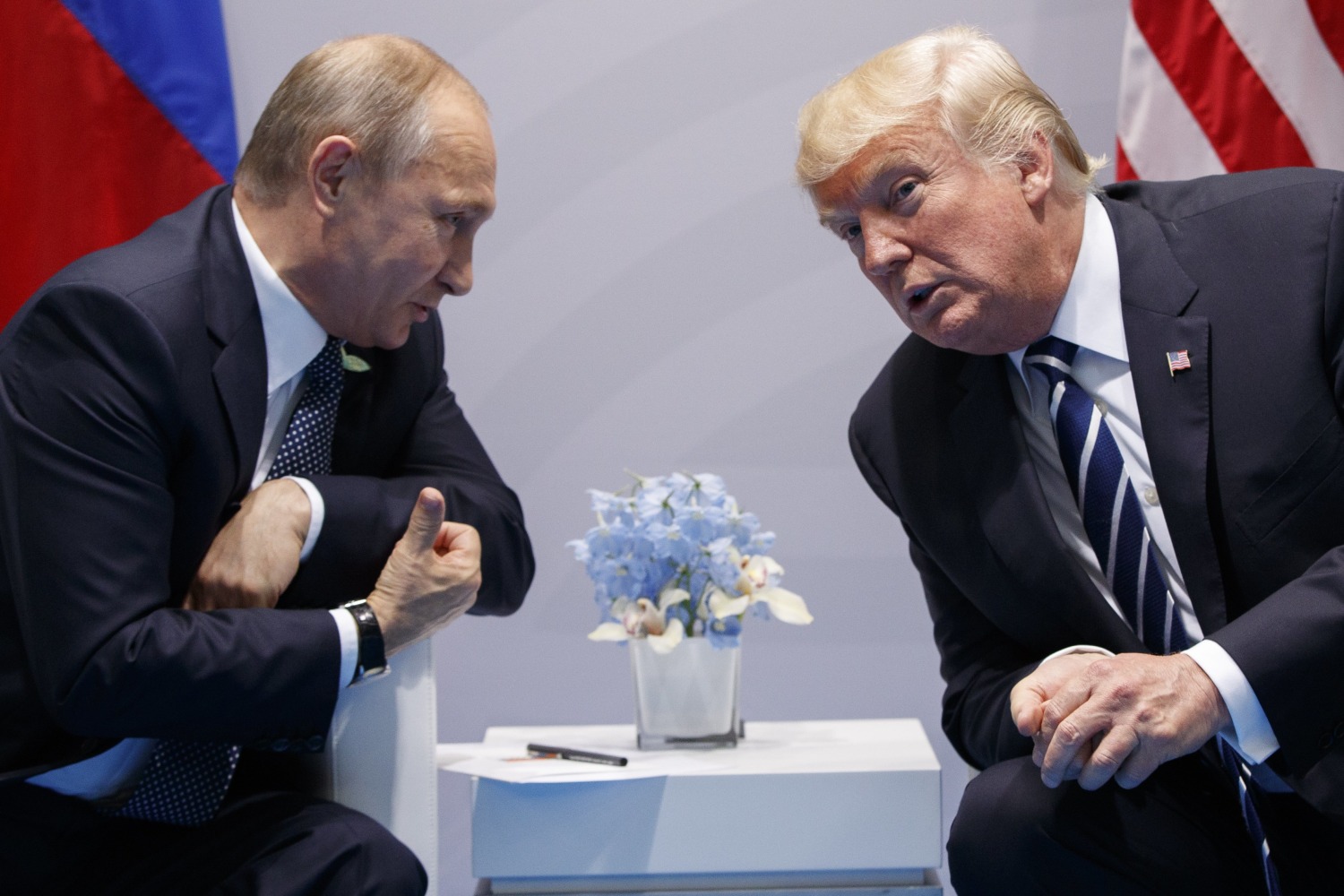

The dynamics between former U.S. President Donald Trump and Russian President Vladimir Putin have long been a focal point of international political discourse. Over the years, Trump’s approach to Russia has drawn both criticism and praise, with many observers noting his unusually conciliatory tone toward Putin even amidst tense geopolitical developments. However, recent comments by Trump signal a notable shift in this relationship, raising questions about the potential ramifications for U.S.-Russia relations, global diplomacy, and the broader international order.
Trump’s recent remarks, which have been interpreted as a clear departure from his previously favorable stance on Putin, have caught the attention of both political analysts and world leaders. This unexpected pivot comes at a time when Russia remains embroiled in ongoing international controversies, including the war in Ukraine, allegations of election interference, and heightened tensions with Western powers. Trump’s public criticism of Putin marks a significant change in rhetoric that could influence both domestic politics and foreign policy discussions in the months ahead.
Throughout his presidency, Trump often appeared reluctant to directly confront Putin or hold Russia publicly accountable for various actions deemed hostile by Western allies. His administration’s policies at times took a tougher stance on Russia than his personal comments suggested, but the perception of Trump as soft on Moscow persisted. The recent shift, therefore, stands out as a noteworthy development that may reshape how both American and international audiences perceive his foreign policy legacy.
One of the key questions now emerging is what motivated this apparent reversal. Political strategists suggest that shifting public opinion, particularly in the wake of Russia’s continued aggression in Ukraine, may have prompted Trump to recalibrate his message. With the U.S. providing substantial military and financial support to Ukraine, and with bipartisan American support for Ukrainian sovereignty, maintaining a neutral or supportive tone toward Putin has become increasingly untenable for any political figure seeking national office or influence.
Additionally, as Trump positions himself for potential future political campaigns, including the possibility of another run for the presidency, distancing himself from Putin may be a strategic move to align more closely with mainstream American sentiment. Polls have shown that a majority of Americans support Ukraine in its defense against Russian invasion, and any perceived sympathy toward Moscow could prove politically damaging. By taking a tougher stance, Trump may be seeking to strengthen his appeal among undecided voters and distance himself from criticisms of being overly deferential to authoritarian leaders.
The shift also comes amid broader geopolitical changes. Russia’s international standing has suffered significantly due to its ongoing military actions and human rights concerns. Economic sanctions, diplomatic isolation, and mounting criticism from the global community have placed Moscow in a precarious position. Trump’s decision to voice disapproval of Putin may reflect a recognition of this new reality and an attempt to reposition himself on the right side of history in light of unfolding global events.
For U.S.-Russia relations, the implications of Trump’s changed tone could be complex. Although Trump no longer holds public office, his influence within American politics, particularly within the Republican Party, remains considerable. His comments could help shape party attitudes toward Russia and influence policy debates on foreign relations, defense spending, and international cooperation. Should Trump regain political power, his evolving stance may signal a willingness to adopt a more assertive posture in dealing with Moscow, potentially altering the trajectory of bilateral relations.
From an international perspective, Trump’s remarks could also have ripple effects. Allies in Europe and other regions have often expressed concern about the consistency of U.S. foreign policy, particularly under Trump’s leadership. A more critical approach to Putin could reassure NATO partners and other Western allies who have sought strong American leadership in countering Russian aggression. Conversely, it could further strain any lingering channels of dialogue between Washington and Moscow, complicating diplomatic efforts to resolve conflicts or address shared global challenges.
Observers also note that Trump’s comments may have personal as well as political motivations. As investigations into alleged Russian interference in U.S. elections and other controversies continue to cast shadows over his legacy, Trump may view a more confrontational stance toward Putin as a way to deflect criticism and reframe the narrative surrounding his administration’s foreign policy record.
Critics of Trump, however, remain skeptical of the sincerity of his shift. Some argue that his history of inconsistent messaging on foreign affairs makes it difficult to assess whether this new stance reflects a genuine change in worldview or a calculated political maneuver. Others suggest that Trump’s comments are unlikely to translate into concrete policy positions unless he returns to office, making the rhetorical shift more symbolic than substantive for the time being.
Russia’s response has been cautious yet attentive. Officials from the Kremlin, avoiding direct conflict regarding Trump’s statements, are probably watching the developments with care. Trump’s earlier cordiality with Putin was considered beneficial for diplomatic relations by Moscow, and any shift in that relationship might affect Russia’s approach in its interactions with the U.S. and other Western nations.
In the current situation involving Ukraine, Trump’s statements also have a significant symbolic impact. By openly separating himself from Putin, Trump aligns with an expanding group of international leaders who have criticized Russia’s military activities and violations of human rights. This might add to the mounting pressure on Russia, underlining the notion that its aggressive actions lack many, if any, notable supporters on the global platform.
The internal political consequences in the United States are just as important. Trump’s sway over the Republican Party suggests that his perspective on Russia might impact the party’s wider foreign policy strategy. As discussions on defense budgets, global partnerships, and diplomatic goals persist, Trump continues to be an influential figure, and his shift away from Putin might prompt changes in opinions within the party, especially among emerging political leaders trying to establish their stances.
Moreover, Trump’s recalibration may impact upcoming elections, where foreign policy and national security are likely to be key issues. Candidates from both major parties will be closely watching public reaction to Trump’s comments as they shape their own messaging on Russia, Ukraine, and America’s role in the world. For some voters, Trump’s shift may reinforce perceptions of pragmatism; for others, it may raise questions about authenticity and consistency.
As the circumstances keep developing, it is evident that Trump’s remarks regarding Putin represent a significant point in the shifting dynamics of the ex-president, Russia, and the wider global community. Whether this signifies a profound change in Trump’s perspective or merely mirrors changing political climates is yet to be determined.
Ultimately, the broader significance of Trump’s remarks lies in what they reveal about the fluid nature of political alliances and the enduring importance of geopolitical considerations in domestic politics. In an increasingly interconnected world, the words of influential figures—even those no longer holding public office—can have far-reaching consequences. Trump’s decision to pivot away from his previously cordial stance toward Putin underscores the complex interplay of public opinion, political ambition, and international relations.
As tensions around the world persist and the conflict in Ukraine continues without a quick end, people globally will be keen to observe if Trump’s statements indicate a fresh phase in U.S. political views on Russia or if they are merely a standalone shift from his earlier discourse. In any case, the dialogue they have ignited highlights the enduring importance of the Trump-Putin dynamic in influencing views on leadership, diplomacy, and global safety.