
The prolonged conflict between Serbia and Kosovo has left deep imprints on the political, social, and economic landscapes of the Western Balkans. Rooted in ethnic, historical, and political complexities, the friction has evolved from outright war in the late 1990s to a challenging post-conflict situation. This article explores the far-reaching consequences of this conflict, examining the regional and international dynamics, and the profound impacts on local communities.
Political Ramifications
1. Global Acknowledgment and Diplomatic Strains
Kosovo declared independence from Serbia in 2008, a move Serbia does not recognize. This has led to a persistent diplomatic impasse. Around 100 countries, including the United States and most European Union members, recognize Kosovo’s independence, while Serbia and several countries—including Russia and China—do not. This schism complicates Kosovo’s aspirations to join global organizations such as the United Nations and the European Union. The lack of consensus has resulted in frequent political standoffs at international forums, stalling dialogue and fueling mutual distrust.
2. EU Inclusion and Regional Equilibrium
Serbia and Kosovo are both looking to become part of the European Union, yet their ongoing conflict is a significant barrier. The EU has emphasized that improving their relationship is necessary before continuing membership discussions. Consequently, the integration process for these countries has stalled, resulting in an uncertain situation for the Western Balkans. The continued uncertainty about borders and administration causes concern among nearby nations and heightens fears regarding the possibility of reemerging ethnic conflicts.
Socio-Economic Effects
1. Economic Slowdown and Inequality
Economic development in both territories suffers directly from lingering hostilities. Conflict-related infrastructure damage, persistent security concerns, and restricted cross-border commerce hinder foreign investment. The World Bank reported in 2022 that Kosovo’s GDP per capita remains substantially lower than the EU average, with high unemployment—especially among youth. In Serbia, regions bordering Kosovo experience economic volatility due to disrupted trade and periodic tensions.
2. Humanitarian and Social Effects
The conflict of the 1990s forced hundreds of thousands of people—Serbs, Albanians, and other minorities—to flee their homes. Despite several returnee programs, many communities remain ethnically segregated. Deep-seated mutual mistrust has made reconciliation efforts difficult, obstructing integration at all levels of society. The Balkan Investigative Reporting Network documented that over 1,600 persons remain missing as of 2023, underscoring unresolved humanitarian wounds.
Security Implications
1. Periodic Escalations and International Interventions
While active conflicts ended in 1999, events like the 2023 turmoil in northern Kosovo reveal the ongoing threat of aggression. The NATO-led KFOR mission and the EU’s EULEX remain crucial in maintaining stability, yet occasional clashes between ethnic Serbs and Albanians underscore the delicate nature of the peace. Any intensification of tensions could attract involvement from nearby countries or outside parties, jeopardizing wider regional stability.
2. Transnational Crime and Border Control Issues
The administrative division, combined with weak institutional cooperation, provides fertile ground for organized crime and smuggling. International agencies have warned of trafficking in weapons, drugs, and people along the porous Serbia-Kosovo boundary. These criminal dynamics undermine the rule of law and impede legitimate economic development.
Influence on Culture and Psychology
1. Diverse Identities and Learning Obstacles
Generations in both Kosovo and Serbia have grown up under narratives shaped by conflict, leading to deeply divided perceptions of history, sovereignty, and cultural heritage. School textbooks present divergent accounts, reinforcing mutual suspicions. In minority communities, access to education in one’s native language is often restricted, perpetuating segregation.
2. Erosion of Trust and Civil Society Engagement
Efforts to facilitate dialogue and foster mutual understanding are obstructed by an enduring absence of trust. Organizations within civil society serve a vital mediator function, but their influence is restricted due to political constraints and a difficult funding scenario. Notable cultural heritage conflicts—like those involving Serbian Orthodox locations in Kosovo—contribute to wider stories of victimization and loss, complicating the process of reconciliation.
Illustrative Incidents
1. The Obstruction in Northern Kosovo (2022–2023)
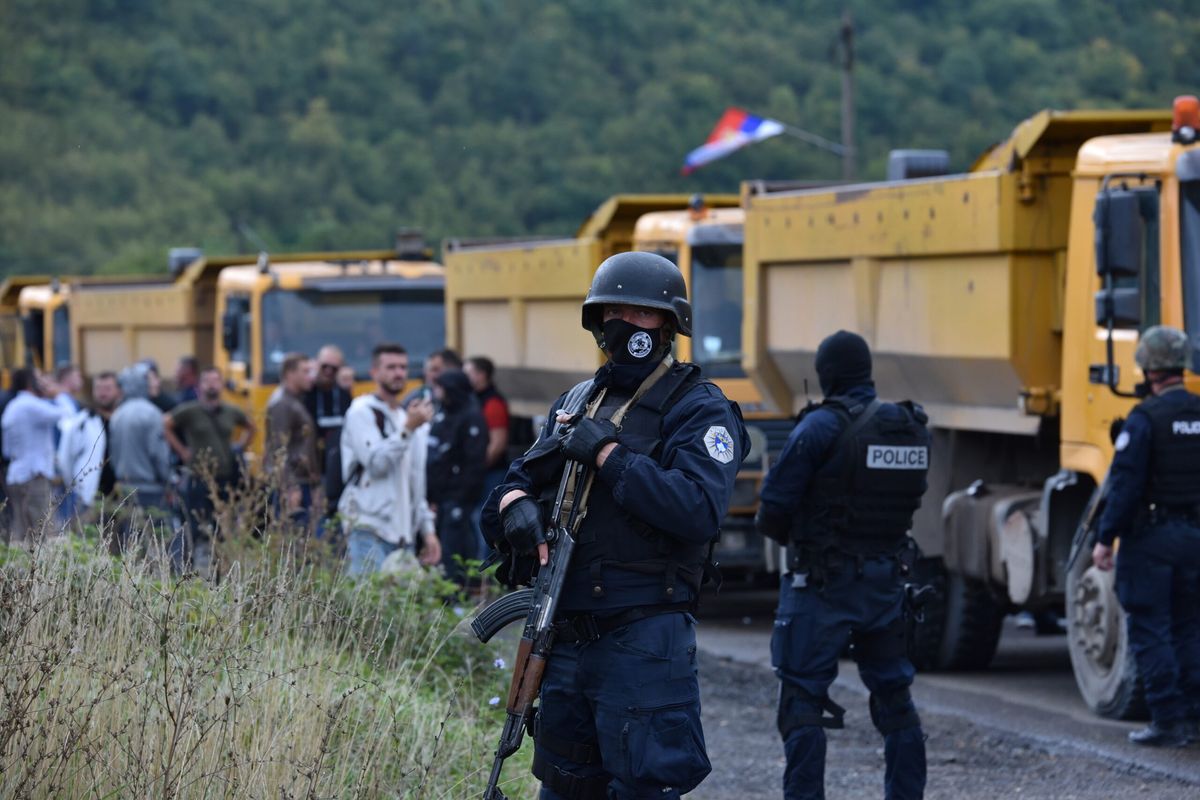
A sequence of border blockades and tense standoffs in northern Kosovo illustrated the fragility of on-the-ground relations. Local Serb communities, objecting to Kosovo government policies, erected barriers and refused cooperation—leading to a cycle of police actions, protests, and international mediation. The situation disrupted daily life, commerce, and access to basic services, while stoking fears of renewed fighting.
2. Stalled Brussels Dialogue
Initiated in 2011 with the support of the EU, the Brussels Dialogue sought to establish normalized relations. Although technical agreements were achieved in areas like energy and telecommunications, the actual enforcement of these agreements has been uneven. Political leaders encounter resistance at home when they make compromises, which leads to a slowdown in progress. Every stalemate reduces public trust in negotiations as an effective means of resolving conflicts.
The conflict between Serbia and Kosovo presents a multifaceted example of how unresolved political issues influence societies, economies, and international relations. Every aspect of life—from economic prospects to cultural heritage and regional stability—continues to be impacted by the conflict’s lasting effects. Attempts at resolution progress slowly, hindered by entrenched narratives and mutual distrust. The experiences of local populations, along with ongoing international involvement, highlight the necessity for innovative dialogue, rooted reconciliation processes, and continued engagement at all levels. Only through these efforts can routes towards enduring peace and sustainable progress emerge in a region defined by historical division and present-day challenges.