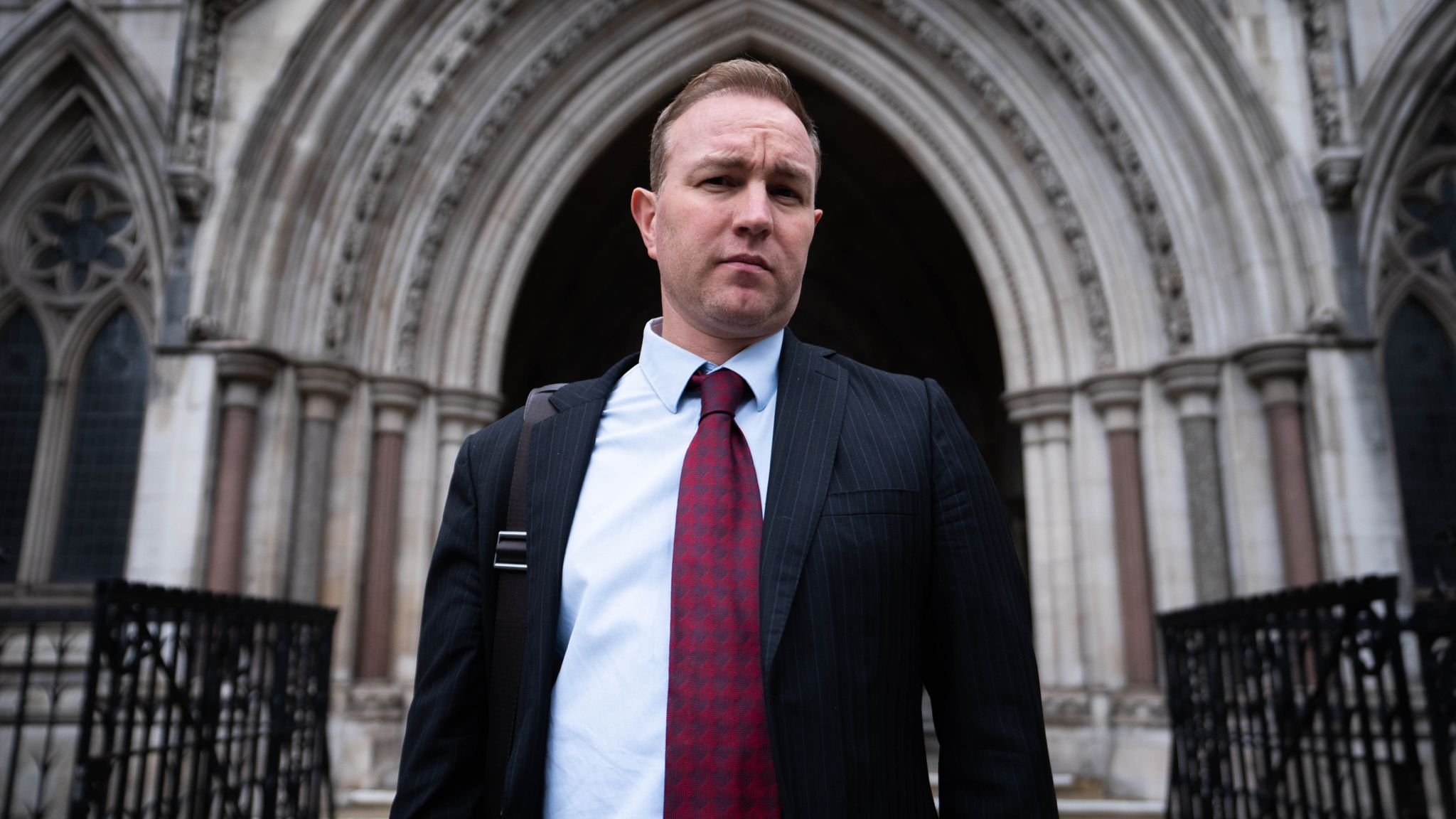

Several former financial traders who were previously convicted in connection with manipulating benchmark interest rates have had their convictions overturned, marking a significant legal development in one of the most high-profile financial scandals of the past two decades. The decision, delivered by an appellate court, has reignited debate over the accountability of financial institutions and the individuals who operate within them.
The traders, who were initially found guilty of manipulating key global interest rates such as the London Interbank Offered Rate (LIBOR), had faced years of legal scrutiny, public backlash, and, in some cases, imprisonment. Their convictions were part of a broader international effort to crack down on unethical conduct in the financial sector following the 2008 global financial crisis. However, the court’s decision to quash those convictions suggests that the legal framework underpinning such prosecutions may have been more complex than previously understood.
In the center of the matter lies the query of whether the actions of the traders, although now seen as questionable morally, indeed breached the criminal law of that era. LIBOR, an essential interest rate utilized to establish borrowing expenses worldwide, was for numerous years calculated from submissions given by banks reflecting their supposed borrowing expenses. This self-reporting system allowed for potential manipulation, especially when there was communication between traders and submitters within the same banking institution that affected the resultant rate.
Prosecutors contended that the traders deliberately provided deceptive data to advantage their firms or trading positions, consequently skewing the benchmark for individual or corporate profit. The verdicts were portrayed as an unequivocal statement that deceitful conduct in financial markets would not be accepted.
However, during the appeals process, defense attorneys argued that the rules and definitions surrounding LIBOR submissions at the time were vague and lacked clarity. They claimed that the benchmark-setting process did not carry legally binding parameters that would make certain behaviors clearly criminal. The appellate court ultimately sided with this view, concluding that the legal guidance given to juries during the original trials was insufficient or flawed in how it framed the traders’ actions under existing law.
The decision to overturn the convictions does not necessarily exonerate the traders from wrongdoing, but it does suggest that their prosecution may have relied on an interpretation of the law that was not fully established at the time. It also raises broader questions about the legal standards used to prosecute financial misconduct and whether regulatory frameworks have kept pace with the evolving complexity of global finance.
This ruling has implications beyond the individual cases. Financial regulators and legal experts have noted that the judgment may prompt a reassessment of how similar cases are pursued in the future, especially in areas where the rules governing market behavior are ambiguous. It could also influence ongoing debates about how best to regulate and supervise financial institutions to ensure transparency and fairness without overreaching in ways that later prove legally unsustainable.
For the traders involved, the court’s decision marks the end of a long and often publicly damaging ordeal. Many had argued that they were being scapegoated for practices that were widespread and, at times, tacitly accepted across the financial industry. While their actions contributed to the erosion of trust in global financial markets, they maintained that they were operating within a system that lacked clear ethical boundaries or enforcement mechanisms.
In the wake of the LIBOR scandal, reforms were introduced to reduce the potential for manipulation. Regulatory bodies across the UK, the US, and Europe worked to transition away from the LIBOR system toward more transparent and transaction-based benchmarks. These changes aimed to restore public confidence and ensure that rate-setting processes are based on verifiable market data rather than estimates or subjective judgment.
The ruling does not reverse the reputational damage that the traders suffered, nor does it absolve the financial industry of its role in the manipulation of benchmarks that affected millions of people and institutions. However, it does highlight the importance of due process, legal clarity, and proportionality in addressing complex financial misconduct.
Some commentators have expressed concern that the decision could be seen as a retreat from holding individuals accountable for unethical behavior in the financial sector. They argue that overturning these convictions might discourage future prosecutions and embolden bad actors. Others see the ruling as a necessary correction, emphasizing that criminal convictions must be based on clear, legally sound grounds—not shifting expectations or retrospective judgments.
This progress creates a new chapter in the history of the LIBOR scandal, one of the most detrimental events in modern financial history. It highlights the difficulties encountered when legal frameworks deal with misbehavior in sectors where norms are progressing more rapidly than laws. As international markets keep becoming more intricate, those responsible for regulations and legislation might have to think about devising clearer guidelines and establishing structures that can accommodate innovation while still maintaining responsibility.
In the meantime, former City traders once labeled as criminals have now had their convictions lifted, though the shadow of the scandal will likely continue to shape discussions about trust, transparency, and justice in the financial world. Their cases have become part of a broader narrative about how societies respond to corporate and financial wrongdoing—not just with punishment, but with reflection on the systems that allow such behavior to take root in the first place.