
Pierce Brosnan, known worldwide for his role as James Bond, has returned to the screen with a new cinematic project that not only showcases his talent but also places Northern Ireland’s landscapes in the spotlight. The film, which features sweeping views of the region’s coastlines, forests, and rural charm, is drawing attention not just for its storyline but for the breathtaking scenery that frames every scene.
Northern Ireland has long been admired for its dramatic geography—rugged cliffs, misty glens, rolling green fields, and ancient castles. Over the past decade, it has become a sought-after filming destination for major international productions, including the globally popular Game of Thrones. However, in this latest film starring Brosnan, the landscape is not just a backdrop; it becomes a central character that helps to define the tone and emotional weight of the story.
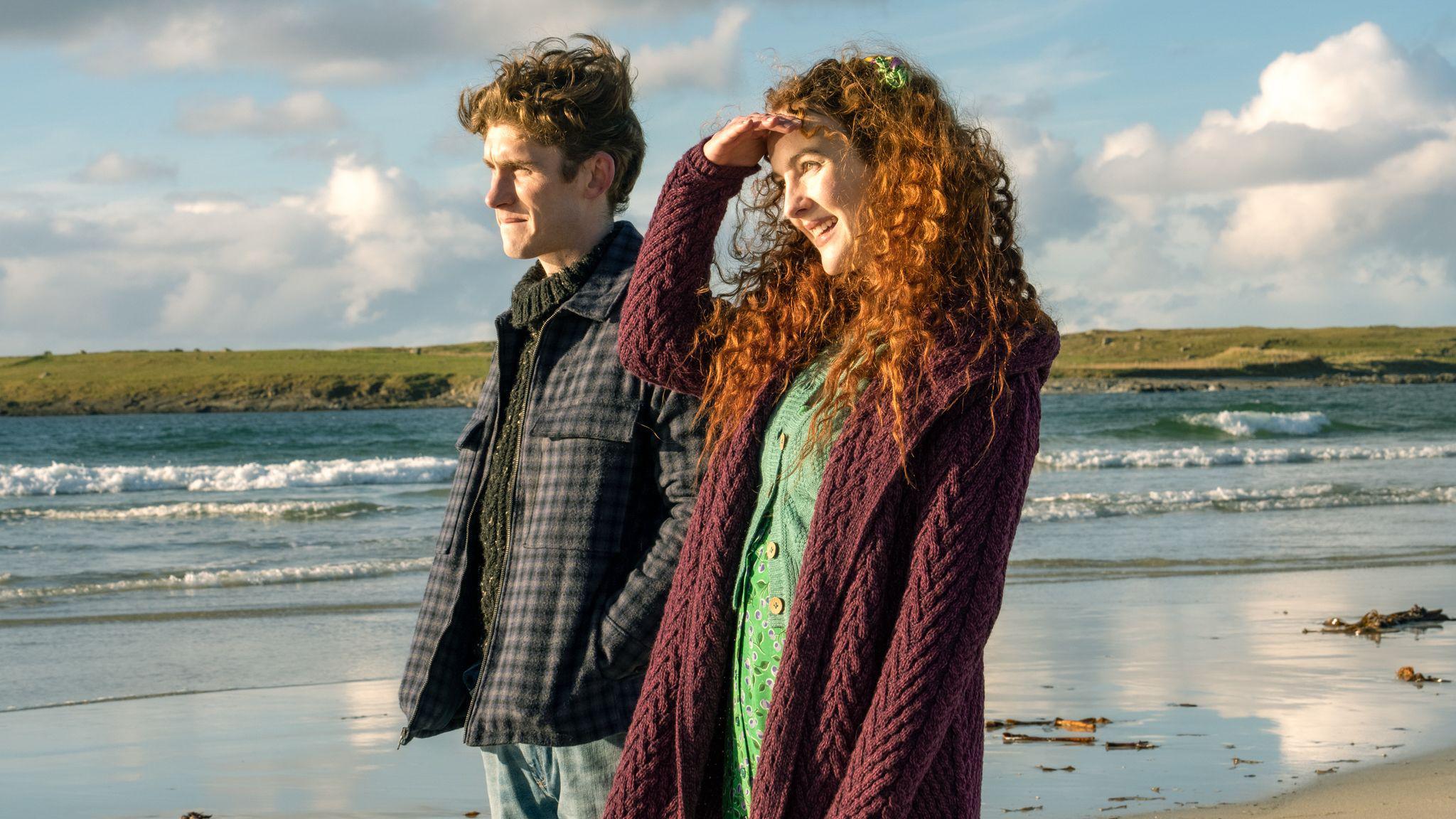
The film, a character-focused drama with elements of suspense and reflection, was shot in various places throughout Northern Ireland. From the rugged Antrim coast to the serene lakes of Fermanagh, the natural landscapes provide a cinematic beauty that enhances the storyline. Brosnan’s role frequently depicts him traversing these vast expanses—strolling along deserted beaches, alone against the sweeping hills, or cruising on winding rural roads. These scenes evoke an ambiance that is both eerie and tranquil, reflecting the emotional journey of the narrative.
The choice to film in Northern Ireland was not simply aesthetic. According to the production team, the region was selected for its versatility and unique light quality, which offers a natural softness ideal for cinematography. Moreover, local crews and production services contributed significantly to the making of the film, underlining the area’s growing reputation as a capable and welcoming filming hub. In recent years, Northern Ireland Screen and other regional bodies have actively supported such productions, recognizing their impact on local employment, tourism, and international perception.
Brosnan himself has spoken about the emotional resonance of working in Northern Ireland. Though Irish by birth, the actor has spent much of his career abroad. Returning to film in the region offered not only professional fulfillment but a personal connection to the land and culture. He has praised the warm reception from local communities and highlighted the transformative effect of filming in such untouched and evocative settings.
El estreno de la película coincide con un momento en el que el turismo cinematográfico está en auge. Los espectadores cada vez más buscan visitar los lugares reales que han visto en la pantalla, y esto es especialmente beneficioso para Irlanda del Norte. Ya, el éxito de producciones anteriores ha incrementado el turismo, atrayendo a fanáticos globales a través de visitas guiadas y atracciones temáticas. Con la nueva película de Brosnan, es probable que ese interés se intensifique, brindando nuevas oportunidades de crecimiento para la región.
What makes this film stand out, however, is not just its visual appeal. It demonstrates how storytelling and place can intersect to create an immersive experience. Northern Ireland’s landscapes are not merely passive environments; they interact with the characters, influence their decisions, and underscore emotional beats in the script. In one particularly memorable scene, Brosnan’s character stands atop a cliffside, the wind blowing through the tall grass as he faces a moment of personal reckoning. The physical isolation of the scene underscores the internal solitude of the character—a visual metaphor that speaks volumes without dialogue.
Filmmakers have increasingly sought out locations that can bring authenticity and atmosphere to their work, and Northern Ireland continues to offer both. The region’s ability to portray stark beauty, melancholy, serenity, and resilience all at once makes it uniquely adaptable for a wide range of genres. Whether it’s fantasy, thriller, romance, or drama, the environment shapes the tone and texture of the story.
In this manner, the movie transcends mere entertainment, inviting its audience to experience Northern Ireland through a filmic perspective. For those unacquainted with the area, it provides an engaging introduction. For individuals familiar with it, it serves as a reminder of the tranquil grandeur that lies just beyond the known.
Pierce Brosnan’s performance, anchored by maturity and depth, is matched by the film’s commitment to visual storytelling. The synergy between actor and environment elevates the entire production, proving once again that great films are often born not just from strong scripts and talent, but from the places in which they unfold.
As more filmmakers look to Northern Ireland for inspiration and authenticity, the region is likely to see continued growth in cultural relevance and industry recognition. Brosnan’s latest project may be one of many, but it is a particularly poignant example of how a film can celebrate not only narrative and performance but the land itself—quietly powerful, enduringly beautiful, and undeniably cinematic.