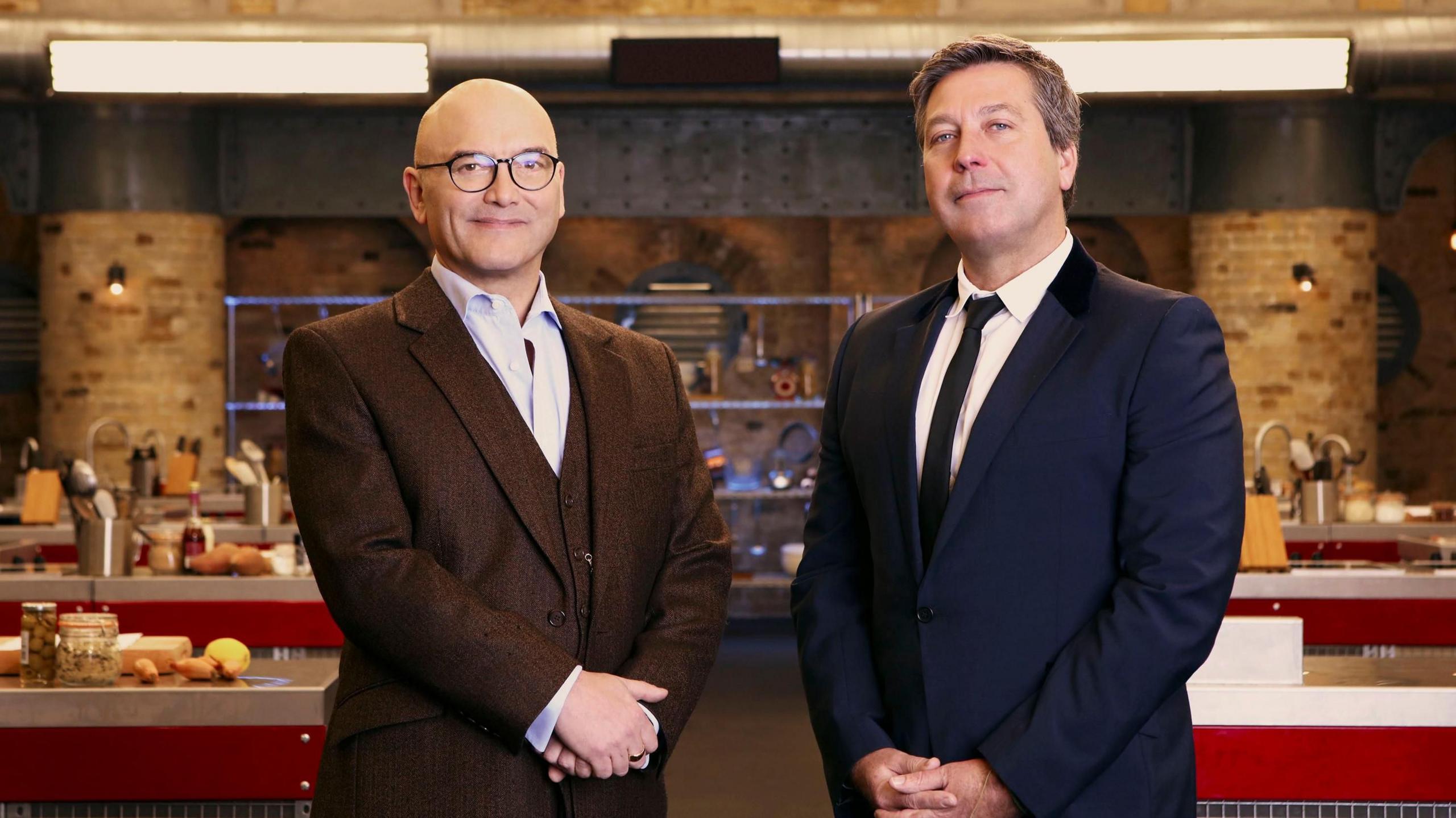

The newest installment of MasterChef has returned to television with much anticipation, reintroducing the familiar faces of its former hosts, yet with a notable shift in atmosphere. Although devoted fans might be pleased to see the original presenters back in the culinary contest, the program’s traditional light-hearted banter and comedic moments seem to be missing.
The presenters, who were formerly dismissed under conditions that stirred public discussion and left fans dismayed, have discreetly returned to their positions. Their comeback has ignited discussions across various media outlets, with numerous fans conveying both a sense of relief and intrigue regarding the altered dynamics. Nevertheless, what captures the audience’s attention right away is the alteration in ambiance. The typical liveliness, clever comments, and lighter moments that used to highlight the intense culinary battles are noticeably absent.
Throughout earlier seasons, the presenters were integral to the essence of the program, alongside the competitors and their culinary creations. Their rapport, often sparked by impromptu jokes and slight sarcasm, created a contrast to the otherwise intense atmosphere of competitive cuisine. This distinct combination of food evaluation and entertainment played a key role in attracting a dedicated international viewership.
This time, though, the style appears more subdued. The presenters now adopt a more official demeanor, concentrating solely on the technical elements of the contest. Comments are exact, advice is given with expertise, and exchanges are considerably more controlled. While some may see this as a sophisticated progression of the program, others believe it misses the charm and character that once characterized the hosts’ presence.
Experts in the field propose that the shift might stem from modifications in production due to previous disputes. Following their removal, it is probable that the reappointment of the hosts involved stipulations—perhaps demanding a polished public persona and prioritizing professionalism above personal charisma. As TV networks keep adapting to viewer awareness and evolving cultural standards, dialing back on comedy could have been a calculated choice.
The response from fans has been varied. On one side, there is gratitude for seeing familiar characters who were pivotal to the show’s success come back. Conversely, some dedicated viewers have used social media to express their dissatisfaction regarding the perceived absence of charm in the episodes this season. Numerous people believe that the core of MasterChef has always been a combination of skill, narrative, and the friendship cultivated by its presenters.
Commentators also note that the revised tone could influence how contestants engage with the competition. Without the levity previously provided by the hosts, the mood in the kitchen feels more intense, even sterile at times. Moments that once allowed contestants to showcase their personality outside of their cooking skills are fewer and far between, which could impact the emotional connection viewers form with participants.
Este cambio plantea preguntas más amplias sobre cómo ha evolucionado la televisión de realidad y cómo los programas deben ajustarse constantemente para conservar tanto los estándares éticos como el valor de entretenimiento. Aunque el profesionalismo y el respeto son pilares de la transmisión moderna, las expectativas del público aún exigen una cierta dosis de espectáculo. Lograr ese equilibrio es especialmente desafiante en un programa como MasterChef, que tradicionalmente ha mezclado la exigencia culinaria con el drama humano y la comedia ligera.
The producers have not officially commented on the noticeable change in tone, nor have the hosts addressed it publicly. However, some close to the production suggest that this quieter, more focused style may be an attempt to re-center the competition around the food and talent, rather than personality-driven commentary.
Although adjustments have been made, the initial ratings show that the number of viewers is still solid. People keep watching for the intense challenges, the impressive displays of gourmet cuisine, and the motivating tales of participants from various walks of life. The essential elements of the show—drive, expertise, and change—stay the same, even as its mood alters.
In time, the new season may find its rhythm, potentially reintroducing elements of humor as comfort levels rise and public response becomes clearer. Television history has shown that even the most beloved shows can endure transformation and still thrive, provided the essence remains true to its original appeal.
At present, the former hosts’ comeback without their signature humor signals a fresh chapter in MasterChef’s enduring saga. It’s uncertain if this change will reshape the show’s character or act merely as a temporary stage. Nonetheless, it’s apparent that MasterChef is exploring the intricate domain of renewal—balancing heritage, viewer anticipations, and the shifting world of contemporary television.