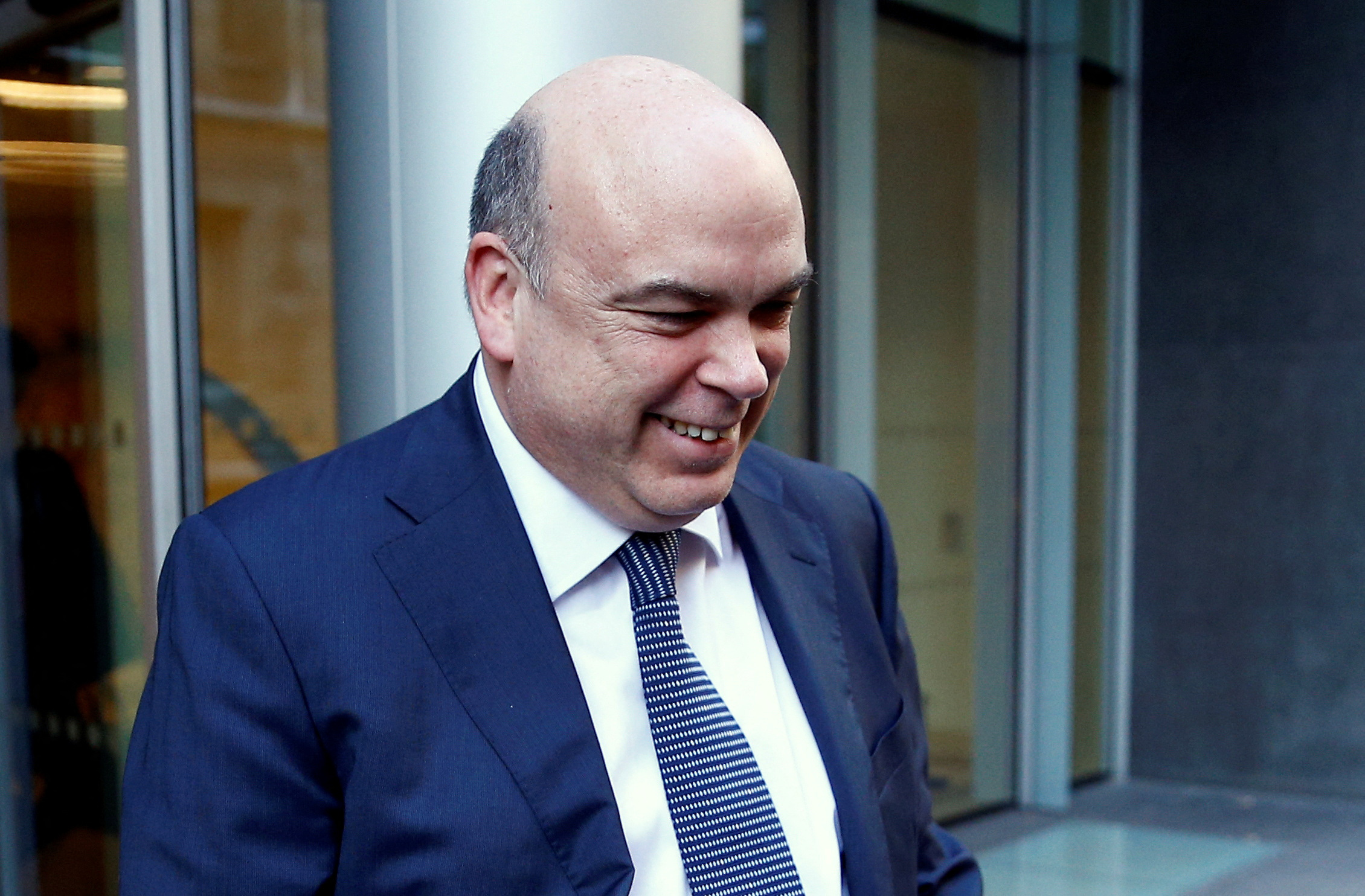

British technology entrepreneur Mike Lynch has been ordered by a U.K. court to pay more than $900 million in damages, marking a significant development in a lengthy legal saga that has drawn global attention. The decision comes after years of legal battles tied to the controversial sale of Autonomy, a software company Lynch co-founded, to Hewlett-Packard (HP) in 2011. The court’s ruling brings a decisive turn in the high-profile corporate dispute, one that has played out across two continents and deeply affected the reputations and fortunes of those involved.
The case centers around allegations that Lynch misled HP about Autonomy’s financial health during acquisition talks, which led the American tech giant to pay over $11 billion for the U.K.-based firm. Soon after the acquisition, HP announced it had taken a writedown of nearly $8.8 billion, claiming that the financial records it had relied upon were inflated and inaccurate. HP contended that a substantial part of the overpayment resulted from deceptive practices, including the misrepresentation of revenue sources and accounting irregularities. These claims triggered investigations in both the United States and the United Kingdom, resulting in civil lawsuits, criminal charges, and now this significant financial penalty.
The recent decision comes after a civil trial in the United Kingdom that extended for more than a year, during which both parties provided comprehensive financial documents and expert testimonies. The court ultimately found that Lynch was involved in deceitful actions concerning the agreement. According to the conclusion, the distortion of Autonomy’s revenue sources—particularly through hardware sales and other methods to artificially boost recurring software income—was crucial in persuading HP to move forward with the deal at the set price. The judge concluded that HP would not have paid such a high amount if it had been fully informed.
Lynch has consistently denied any wrongdoing, maintaining that Autonomy was a well-run company whose business practices adhered to industry norms. He argued that HP’s own mismanagement and failure to integrate Autonomy properly contributed to the acquisition’s collapse. His defense also emphasized that HP had conducted extensive due diligence before the purchase, and that the company had access to all the necessary financial information. Nonetheless, the court found sufficient evidence to support HP’s claim of fraud and ordered Lynch to compensate the company for the resulting financial loss.
The ruling significantly increases the legal and financial pressure on Lynch, who is also facing extradition proceedings in the United States. U.S. authorities have charged him with conspiracy, wire fraud, and securities fraud related to the same set of allegations. He has fought extradition vigorously, but recent developments suggest that he may soon have to stand trial in an American courtroom. If convicted in the U.S., Lynch could face substantial prison time in addition to the damages awarded in the U.K.
The Autonomy saga has become one of the most high-profile examples of transatlantic corporate litigation. It reflects the increasing willingness of both U.K. and U.S. authorities to pursue complex financial crimes that span jurisdictions. It also highlights the risks tech companies and their executives face when engaging in high-stakes mergers and acquisitions, especially when valuations are based heavily on intangible assets like intellectual property and software revenue projections.
For HP, the ruling represents a measure of vindication after years of criticism over the Autonomy deal. The company was widely condemned for overpaying and for failing to conduct more thorough due diligence. Its executives at the time, including then-CEO Meg Whitman, defended the acquisition strategy but later pointed to Lynch and his team as the primary culprits behind the transaction’s collapse. The court’s decision supports that narrative, though it also leaves open questions about HP’s internal decision-making and whether the outcome could have been avoided with greater scrutiny.
The ruling also sends a strong message to the broader business community. Misleading investors and potential acquirers about a company’s financial health can lead to severe consequences, including both civil and criminal liability. It reinforces the importance of transparency, sound accounting practices, and full disclosure during mergers and acquisitions. Executives who engage in deceptive conduct may find themselves not only on the hook for financial damages but also facing criminal prosecution.
Although the judgement has been delivered, the legal representatives of Lynch have expressed their plans to contest the outcome. They claim that the decision misunderstands the monetary evidence and incorrectly holds Lynch responsible for an unsuccessful integration effort that was not within his power. The appeal procedure might prolong the legal dispute for several additional years, yet if not reversed, the monetary sanction remains among the most substantial ever levied against a British entrepreneur in a civil fraud lawsuit.
Observers of the situation emphasize that the scale of the damages might crucially impact Lynch’s financial prospects. Despite accumulating substantial wealth through the Autonomy sale and his previous business activities, the over $900 million liability might necessitate liquidating assets or undertaking financial reorganizations. Furthermore, the extent to which HP can recuperate the funds remains uncertain, particularly due to the intricacy of Lynch’s financial assets and possible safeguards in various regions.
Meanwhile, other former Autonomy executives have also faced scrutiny. Some have already been convicted in the United States on related charges, and others remain under investigation. The legal fallout has had a chilling effect on executive behavior in the tech sector, reminding corporate leaders that even long-closed deals can resurface if wrongdoing is alleged.
The decision further complicates the legacy of Mike Lynch, once hailed as one of the U.K.’s most successful tech entrepreneurs. Autonomy was widely seen as a homegrown success story before the acquisition debacle, and Lynch was often compared to the likes of Silicon Valley’s top innovators. This ruling shifts that narrative, casting a long shadow over his accomplishments and raising doubts about the integrity of his business practices.
Mientras el proceso legal avanza, el asunto entre HP y Mike Lynch probablemente seguirá siendo un punto de referencia en debates sobre fraude corporativo, cumplimiento internacional, y la responsabilidad de los líderes tecnológicos en transacciones financieras de gran escala. Destaca el impacto duradero que un solo acuerdo puede tener en reputaciones, carreras e historias corporativas.