
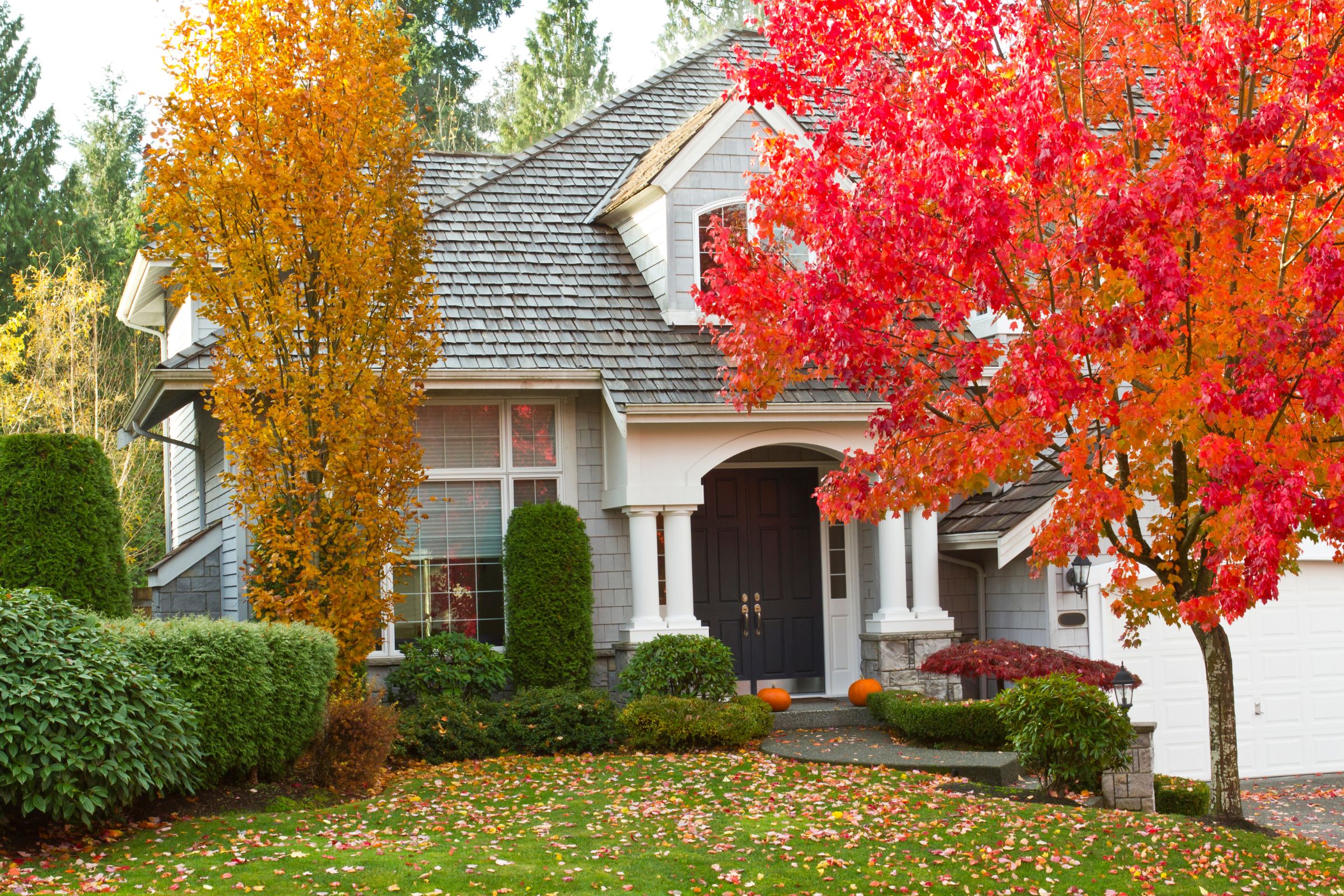

Imagine a residence that gently alters its exterior colors with the changing of the seasons—embracing warmer tones during the colder months and transitioning to lighter shades when it’s hot. This forward-thinking idea could soon be realized due to progress in materials that respond to weather fluctuations, especially a novel type of paint designed to respond to temperature variations.
Este concepto innovador de pintura trasciende los pigmentos que cambian de color de manera tradicional. A diferencia de las pinturas novedosas que reaccionan momentáneamente al calor o la luz solar con fines decorativos, los recubrimientos adaptativos al clima se están desarrollando pensando en la funcionalidad. El objetivo es ajustarse de manera pasiva a las condiciones del entorno de formas que puedan disminuir el consumo energético, mejorar el atractivo visual y fomentar un estilo de vida sostenible.
At the heart of the technology is a material science breakthrough. Researchers are exploring thermochromic compounds—substances that change color when exposed to specific temperatures—and integrating them into durable, weather-resistant coatings. These materials have long been used in products like mood rings or novelty mugs, but adapting them for architecture requires greater stability, resistance to fading, and consistent performance over time.
The potential influence of climate-adaptive paint extends further than just appearance. In warmer areas, lighter shades reflect the sun’s rays and assist in keeping structures cooler, thereby diminishing the necessity for air conditioning. On the other hand, darker hues capture more warmth, which can be beneficial during cooler months. A building facade that changes its hue automatically in response to the outside temperature may contribute passively but significantly to regulating indoor climates and decreasing energy consumption.
This approach aligns with a broader trend in architecture and urban design: developing passive solutions to environmental challenges. Innovations such as smart glass that tints in sunlight or roofs that reflect infrared radiation are part of the same movement—one that seeks to reduce reliance on mechanical systems through smarter materials.
In practical terms, developers of these paints are focusing on making them durable enough to withstand the elements without losing their responsiveness. The paint must resist ultraviolet degradation, moisture damage, and temperature fluctuations, all while maintaining its adaptive properties for years. Engineers are also exploring how to tune the color spectrum to match seasonal preferences or specific regional needs.
Another crucial benefit of paint that responds to climate conditions is its ability to update current buildings. In contrast to major renovations or solar panel installations, the application of a new paint type is comparatively simple and economical. Should these coatings be demonstrated as scalable and economically feasible, they might provide an easy sustainability upgrade for residences, educational institutions, workplaces, and public edifices.
Aside from increasing energy efficiency, adaptive paint can also have an expressive or cultural role. Colors carry significant psychological and symbolic meanings, and structures that change with their surroundings could mirror natural cycles or foster a deeper link to their setting. For instance, a building that becomes brighter with spring’s approach and darker as fall arrives might more accurately reflect the natural environment, enriching the experience for those who inhabit it.
Certainly, several obstacles need addressing. Producing thermochromic paints in large volumes with uniform quality is still intricate. Maintaining durability across different weather scenarios, particularly in areas with harsh climates, presents another challenge. Safety is a concern as well—certain elements used in early versions of thermochromic substances were not suitable for prolonged human interaction or environmental exposure, thus contemporary alternatives must comply with strict health and ecological regulations.
En inglés, el interés en este campo está aumentando. Arquitectos, científicos de materiales y diseñadores ambientales están trabajando juntos para acercar esta tecnología a la realidad. A medida que el cambio climático se intensifica y la demanda de soluciones energéticamente eficientes se acelera, las innovaciones como la pintura que responde al clima están cobrando impulso.
Este avance tecnológico también podría integrarse con sistemas de viviendas inteligentes. Imagina un futuro en el que el exterior de una casa se acomode no solo a la temperatura exterior, sino también a la información de sensores internos, modificando su reflectividad o tono según las necesidades de calefacción, la ocupación o incluso la hora del día. Tal integración representaría un cambio hacia una arquitectura dinámica que interactúa activamente con su entorno.
Even artistic expression could find a new canvas in responsive paint. Building facades might one day display fluid patterns that evolve throughout the day, responding to weather, temperature, or human activity. This could open new frontiers for urban art, creating spaces that are both beautiful and intelligent.
In the meantime, researchers continue to test prototypes and push the limits of what’s possible. Though widespread application may still be years away, the promise of a climate-conscious, visually responsive exterior coating is increasingly realistic.
Whether applied to echo the warmth of summer, provide warmth during the winter, or just integrate structures more closely with nature’s rhythms, this paint signifies more than merely a fresh hue on the surface. It indicates a shift in our perspective on buildings—not as unchanging entities, but as dynamic contributors to an ever-evolving environment.




:max_bytes(150000):strip_icc()/fashion-designer-coco-chanel--1883-1971----c--early-50-s-89865776-5c85557f46e0fb0001a0be81.jpg "Coco Chanel, Famed Fashion Designer and Executive")