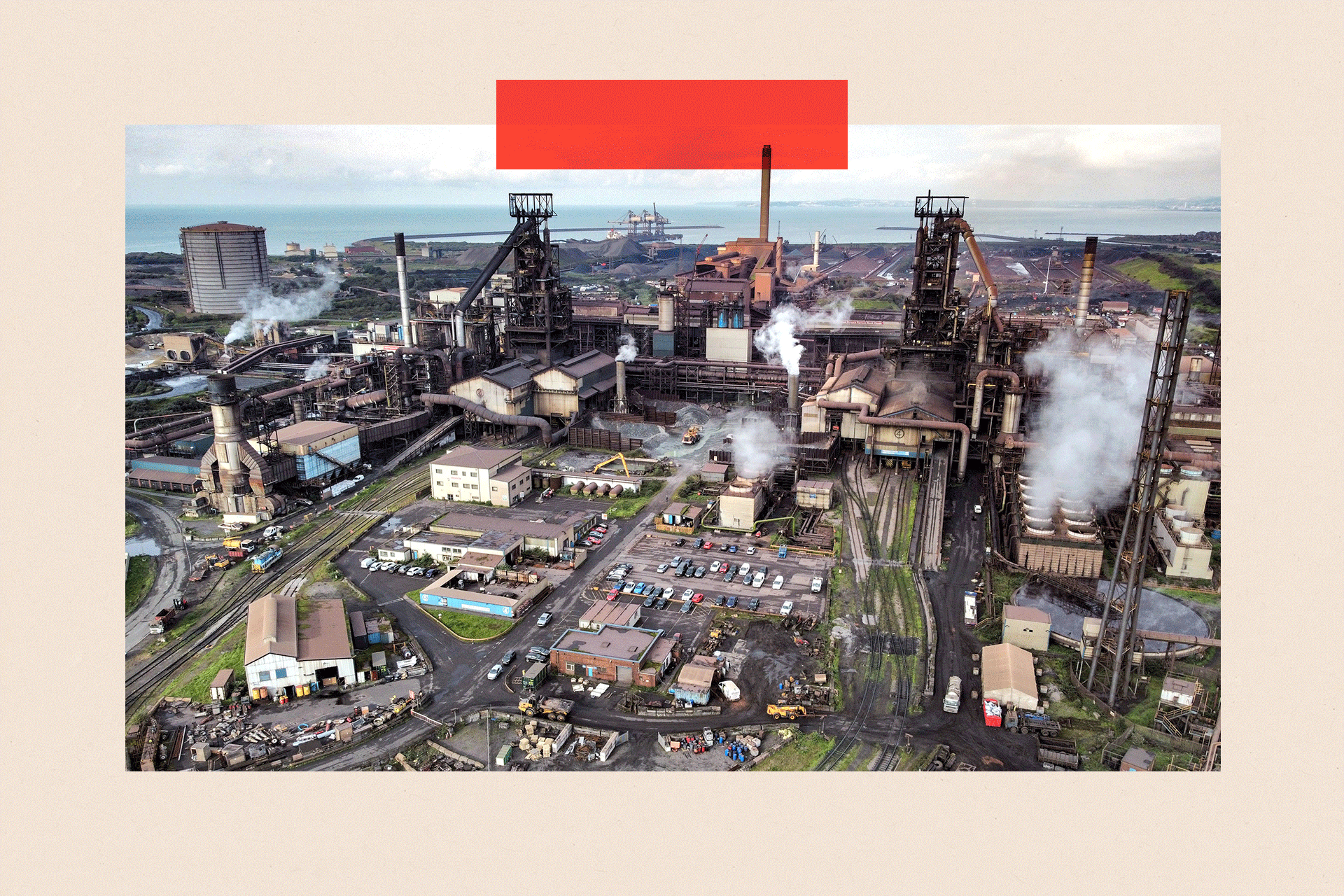

As the United States anticipates possible changes in trade policy driven by the revitalized influence of former President Donald Trump, the consequences for the UK’s steel industry—especially in its residual industrial towns—are becoming more prominent. The potential for the introduction or reimplementation of tariffs on steel imports, a key part of Trump’s wider economic strategy, has stirred new doubts across Britain’s steel-producing areas, many of which are still rebuilding after past economic disruptions.
The concerns stem from Trump’s persistent emphasis on “America First” trade policies, which during his presidency led to the imposition of steep tariffs on imported steel and aluminum in 2018. Framed as a national security measure under Section 232 of U.S. trade law, those tariffs disrupted international steel markets and triggered retaliatory measures from key allies, including the UK and the European Union. While some of those restrictions were softened in subsequent years, Trump has signaled a willingness to revive and expand them if elected again, potentially reigniting trade tensions.
For Britain’s steel-producing towns—such as Port Talbot in Wales and Scunthorpe in Lincolnshire—this looming threat carries serious weight. These communities have long depended on the steel industry not only for employment, but also for local economic stability and identity. Over the decades, the sector has contracted significantly due to global competition, automation, and changing demand. However, a handful of large facilities continue to operate, serving domestic construction, infrastructure, and manufacturing needs, as well as fulfilling international orders.
Industry leaders and union representatives are now warning that the reintroduction of U.S. tariffs could undercut British steel exports just as companies are beginning to regain their footing. While the total volume of UK steel exports to the U.S. is modest compared to larger players such as China or the EU, American buyers remain a key market for certain specialty products manufactured in the UK. A tariff barrier could make those goods less competitive and push buyers toward alternative sources, thereby tightening the pressure on already strained operations.
The main concern is that trade restrictions might hasten the downfall of a sector considered vital to the UK’s industrial foundation. Although there are appeals for more investment in eco-friendly steel technologies and local production skills, numerous British steel manufacturers still function with minimal profit margins, and extra trade tensions could threaten their future sustainability. Some plants have already reduced output or declared job cuts in reaction to changing demand and energy expenses, and new trade limitations could further unsettle the industry.
For workers and residents in traditional steel towns, the debate over international trade policies is far from abstract. It directly influences job security, local business activity, and the social fabric of their communities. Many of these towns have faced decades of deindustrialization, with the loss of manufacturing jobs contributing to wider economic challenges, including reduced investment, lower incomes, and limited access to services. In this context, any policy—foreign or domestic—that threatens to erode industrial employment further is met with deep concern.
British officials have shown caution regarding the threat of tariffs, highlighting the significance of keeping solid economic connections with the United States. As one of the United Kingdom’s most significant trading partners outside the EU, the U.S. is a vital market for various British exports. The UK government has earlier engaged in negotiations for exemptions and quotas to mitigate the most severe effects of past U.S. tariffs, and similar diplomatic endeavors are expected to be made once more should trade limitations arise again.
However, some analysts argue that relying on ad hoc negotiations is no substitute for a comprehensive and forward-looking industrial strategy. They suggest that the UK should not only respond to external threats but proactively strengthen its domestic steel industry through innovation, investment, and modern infrastructure. This includes accelerating the shift toward low-carbon steel production, improving supply chain resilience, and supporting workforce development to ensure that future jobs in the sector are secure and sustainable.
There are also calls for closer collaboration between government, industry, and local authorities to protect communities most vulnerable to economic shocks. In many cases, steel towns have the potential to become hubs of advanced manufacturing or renewable energy production, but this transformation requires targeted support and long-term planning. Without it, they risk further decline, exacerbated by global market fluctuations and unpredictable trade policies.
During this time, the political aspect of trade conflicts is significant. Trump’s talk about safeguarding U.S. jobs with tariffs tends to find support among voters in the country’s manufacturing zones, yet it may also negatively impact global allies. The UK, striving to maintain its image as a cooperative trading partner after Brexit, faces the challenge of balancing the promotion of bilateral ties and safeguarding its national economic interests.
In this context, the fate of the UK’s steel towns becomes emblematic of a broader challenge—how to preserve critical industries in an interconnected and increasingly competitive global economy. It is a challenge that requires not only reactive measures, but also a bold vision for how traditional sectors can adapt to new economic realities without leaving communities behind.
While policymakers and industry leaders keep an eye on changes in U.S. trade policy, the message from Britain’s steel communities is unmistakable: their destiny should not be dictated solely by choices made an ocean away. Instead, it should be crafted through a joint dedication to industrial strength, economic equity, and acknowledging the crucial part that manufacturing still plays in both national and local life.
The coming months may prove pivotal. With the potential reemergence of protectionist trade policies, the UK faces a strategic decision: how best to shield its steel industry from external shocks while laying the groundwork for long-term renewal. For the towns that have built their identities around steel, the stakes could not be higher. Their survival—and future prosperity—may depend on choices made not only in Washington, but in Westminster and beyond.