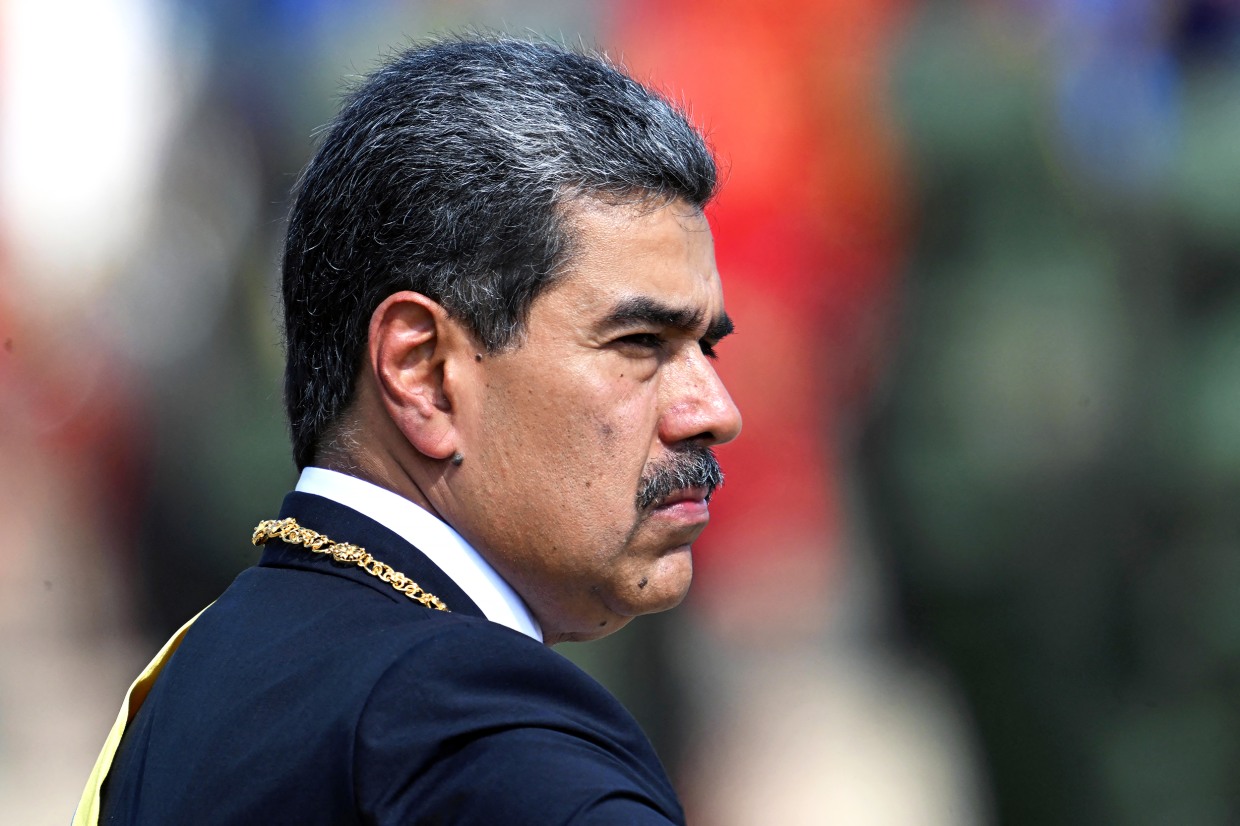

The government of the United States has significantly increased the bounty for information leading to the capture of Venezuela’s leader, Nicolás Maduro, elevating the total offer to $50 million. This notable increase in the persistent campaign to bring the South American president to justice on drug trafficking allegations indicates a tougher stance by Washington toward the Venezuelan administration.
The heightened reward follows years of U.S. inquiries accusing Maduro of participating in drug trafficking activities. American prosecutors assert that the Venezuelan leader collaborated with Colombian insurgent groups and local crime syndicates to move large shipments of cocaine to markets in North America. Judicial records suggest these actions persisted even as Venezuela confronted serious economic hardships, implying that drug smuggling turned into a significant income source for specific governmental groups.
Legal experts note the unprecedented nature of such a high-profile bounty against a sitting head of state. While the U.S. has previously offered rewards for information on foreign officials, the amount and public nature of this announcement represent a significant escalation in diplomatic pressure. The move follows years of deteriorating relations between Washington and Caracas, including comprehensive economic sanctions and recognition of opposition leader Juan Guaidó as Venezuela’s legitimate president in 2019.
El gobierno venezolano ha rechazado las acusaciones, calificándolas como fabricaciones motivadas políticamente, y considerándolas como un intento más de cambio de régimen por parte de Washington. La administración de Maduro resalta la cooperación de Venezuela con los programas antidrogas de las Naciones Unidas y cuestiona el momento del anuncio, que coincide con el resurgimiento de protestas de la oposición y dificultades económicas en el país.
Regional experts indicate that the escalated reward showcases dissatisfaction with unsuccessful diplomatic attempts to oust Maduro. Earlier tactics like sanctions, backing of opposition leaders, and global seclusion have not fulfilled their intended aims. As Maduro holds control over Venezuela’s military and security forces, the realistic chance of capturing and extraditing him seems slim in the present situation.
The reward offer raises complex questions about international law and diplomatic protocols. While the U.S. maintains the right to prosecute foreign nationals for crimes affecting American interests, legal scholars debate the implications of targeting sitting heads of state. Some warn such actions could establish concerning precedents in international relations, while others argue they represent appropriate responses to criminal behavior regardless of official position.
Venezuela is facing a worsening economic situation, as millions of its citizens leave the country due to uncontrollable inflation and a lack of essential goods. Despite having the largest known reserves of oil globally, the nation contends with ongoing fuel scarcities caused by deteriorating infrastructure and sanctions from the U.S. This environment has given rise to illegal activities, with indications of a rise in drug manufacturing and gold trafficking activities in recent times.
The Trump administration’s Venezuela policy has emphasized maximum pressure through sanctions and diplomatic isolation. Critics argue this approach has worsened humanitarian conditions without achieving political change, while supporters maintain it represents the only viable strategy against an authoritarian regime. The increased bounty suggests continuity in this hardline stance rather than any shift toward engagement or negotiation.
For the average Venezuelan, the declaration probably doesn’t significantly alter their everyday challenges. As the political deadlock reaches its sixth year, the majority of people are primarily concerned with enduring the economic breakdown rather than far-off geopolitical tactics. The opposition is still fragmented, with certain groups endorsing U.S. measures while others caution that these could unintentionally bolster Maduro’s nationalistic discourse.
As Venezuela’s crisis continues with no clear resolution in sight, the $50 million bounty represents both a dramatic escalation and a recognition of previous policy limitations. Whether this new approach will prove more effective than past efforts remains uncertain, but it undoubtedly raises the stakes in Washington’s confrontation with Caracas.
In the next few months, it will become clear if this daring step provides valuable insights, leads to further isolation of the Venezuelan administration, or just serves as another symbolic act in the ongoing geopolitical deadlock. What appears definite is that the already tense ties between the United States and Venezuela have reached a more adversarial stage with this groundbreaking proposition.