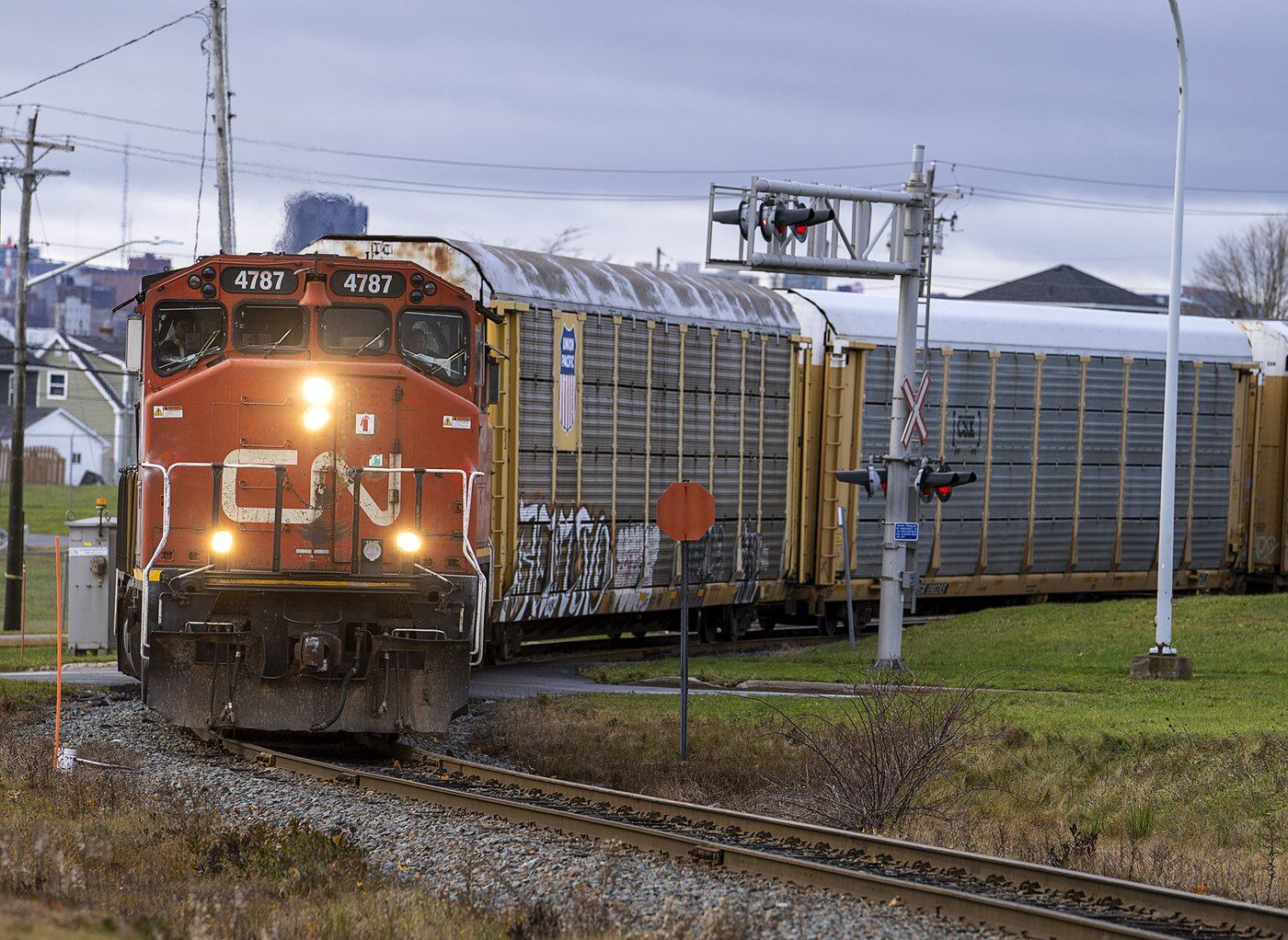

In a strategic move poised to reshape the U.S. rail industry, Union Pacific has agreed to acquire Norfolk in a landmark deal valued at $85 billion. This consolidation marks one of the largest transactions in American railroad history, signaling a significant shift in the transportation and logistics landscape as demand for freight efficiency continues to grow.
The merger, still subject to regulatory approval, is expected to create a unified rail network with expanded reach, enhanced infrastructure capabilities, and improved operational synergies across the continental United States. The combined entity aims to streamline coast-to-coast rail service, reduce transfer delays, and support the growing need for sustainable transportation alternatives in a competitive freight environment.
Union Pacific’s decision to pursue this acquisition comes amid rising pressure within the rail sector to modernize services, address supply chain vulnerabilities, and meet increasing e-commerce and industrial demands. By integrating Norfolk’s extensive operations in the eastern U.S. with its own expansive western network, Union Pacific is looking to offer more comprehensive service options to clients across key industrial corridors.
The two companies are known for their strong regional presences—Union Pacific in the West and Norfolk in the East—making the merger a logical expansion without significant service overlap. Executives from both firms have emphasized the complementary nature of their operations, predicting smoother freight transitions and reduced congestion at critical junctions.
Once finalized, the merger is expected to generate billions in cost savings over the next decade, primarily through infrastructure optimization, reduced redundancies, and joint investment in technological upgrades. Union Pacific also plans to leverage Norfolk’s progress in digital automation and energy-efficient locomotive technology to accelerate its sustainability goals.
Despite the potential benefits, the acquisition will likely face rigorous scrutiny from regulators, labor unions, and industry stakeholders. Antitrust concerns are anticipated, especially as the deal will consolidate significant freight volumes under a single corporate structure. Previous large-scale rail mergers have often faced resistance over fears of reduced competition, increased rates, and potential job impacts.
To address these concerns, Union Pacific has committed to engaging transparently with federal agencies, including the Surface Transportation Board (STB), and to upholding competitive practices. Company representatives have stated that no immediate layoffs or facility closures are planned and that the merger will instead offer long-term employment opportunities through network expansion and infrastructure development.
From a wider economic viewpoint, the agreement highlights the continuous move towards consolidation within the transport industries as firms aim to enhance resilience, optimize service provision, and adapt to evolving global trade trends. As environmental factors become crucial to corporate plans, rail—which already offers a lower-emission option compared to trucking—is anticipated to become an even more critical component in supply chains, particularly for transporting goods across extensive distances.
Investors were encouraged by the news, with stock prices for both Union Pacific and Norfolk experiencing a slight rise in the initial trading after the announcement. Market experts have suggested that the merged company might achieve a greater portion of the intermodal freight market, which is primarily controlled by road transport, and enhance its competitive stance against Canadian rail behemoths that have already engaged in comparable consolidation tactics.
If the deal clears regulatory hurdles and proceeds as anticipated, it could close within the next 12 to 18 months. Integration planning teams are already being formed to align technology systems, coordinate schedules, and develop a unified branding strategy for the merged operations.
As Union Pacific embarks on this bold expansion, industry observers will closely watch how the merger reshapes freight logistics in the U.S. and whether it sets a precedent for future rail consolidation efforts. The next year will be crucial in determining whether the promise of greater efficiency, sustainability, and service truly materializes in a post-merger landscape.