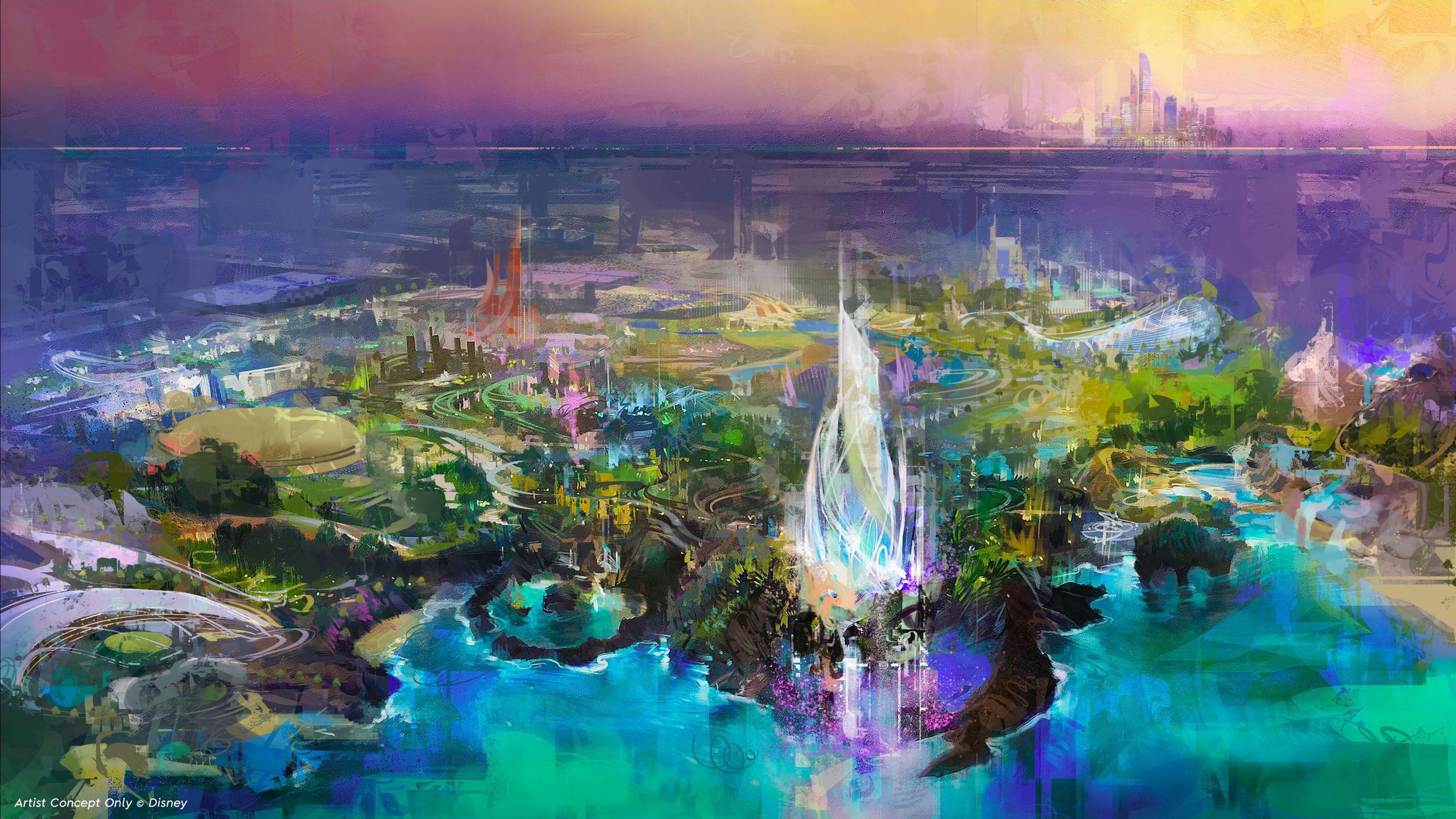

The text initiatives for boosting internal consumption and rejuvenating the services industry in China emphasize a somewhat surprising driver of economic boost: amusement parks. Including international giants such as Legoland and locally established entertainment venues, the nation is placing significant resources into these recreational locations to draw in families along with young tourists. This particular strategic approach to leisure development underscores the government’s wider vision to shift the economy from a reliance on investment-driven expansion towards one more reliant on domestic consumption.
For a considerable period, China’s swift economic growth was supported by exports and the development of infrastructure. Nevertheless, with the deceleration of growth, worldwide uncertainties, and changing demographics, decision-makers have pinpointed domestic consumption as an essential factor for enduring sustainability. In this context, the tourism and leisure sectors—especially theme parks—are being developed as catalysts for local expenditure and job creation.
Legoland is among various prominent international brands expanding their presence in China. Numerous new parks are in the planning stages in different areas, aiming to draw families interested in engaging and informative activities. These ventures typically entail collaborations between regional authorities and worldwide entertainment firms, enabling China to leverage existing knowledge while incorporating Chinese cultural elements to attract local audiences.
The reasoning behind this investment extends beyond amusement. Theme parks are considered centers of economic activity, generating employment during their building and operation, enhancing income for hotels and restaurants, and driving retail growth. A strategically located theme park can revitalize an entire area, drawing visitors from all over the nation and providing lasting economic advantages to surrounding communities.
Furthermore, the creation of extensive leisure spots complements China’s wider urbanization strategies. As smaller cities grow into regional hubs, they are more actively working to set themselves apart with distinct attractions. Building theme parks assists these cities in attracting tourists, fostering cultural identity, and boosting their standing as contemporary, enjoyable locations.
El atractivo de los parques temáticos también muestra la evolución del comportamiento del consumidor, particularmente entre las generaciones más jóvenes de familias chinas. Con el aumento de los ingresos y una clase media en expansión, las experiencias están ganando relevancia sobre los bienes materiales. Los padres están invirtiendo más en viajes, ocio y actividades de enriquecimiento para sus hijos, y los parques temáticos ofrecen una combinación de las tres. Atracciones como Legoland, que fusionan el juego con el aprendizaje y el intercambio cultural, están bien posicionadas para aprovechar esta tendencia.
The government of China has focused more on growing the internal tourism industry, especially following the interruptions to global travel due to the COVID-19 pandemic. With a decrease in overseas trips, there is a strong motivation to improve domestic travel opportunities. This change has led to fresh investments in entertainment facilities, including theme parks, historical sites, and eco-tourism locations.
Theme parks are also consistent with wider technological goals. Numerous modern establishments utilize cutting-edge digital experiences—immersive reality, intelligent systems, and personalized data applications—transforming them not merely into places for enjoyment but also into exhibitions of China’s innovative prowess. The incorporation of smart technologies into entertainment venues improves visitor participation and facilitates more effective crowd control, a crucial aspect in a nation with such a vast population.
Despite these opportunities, challenges remain. Theme park development is capital intensive and carries long-term financial risk. Several previous ventures in China have struggled due to overestimation of demand, poor location choices, or lack of differentiation. To avoid similar pitfalls, newer projects are relying more heavily on market research, international collaboration, and phased development strategies.
Furthermore, the level of competition is increasing. With more cities developing their own parks, the market faces the danger of becoming too crowded. This situation pushes operators to constantly bring forth new ideas and uphold excellent service standards. Additionally, escalating operational expenses and changing regulatory environments can make project schedules and financial success more challenging.
Nevertheless, experts find potential in China’s expanding leisure industry, especially when projects align with wider economic and city development objectives. Integrated resorts, which merge amusement parks with retail areas, accommodations, transport stations, and cultural centers, provide varied income sources and stability in a changing economic landscape.
For global brands such as Legoland, achieving success in China hinges on their capacity to tailor experiences while retaining their international charm. This involves modifying content to align with Chinese values and customs, providing services in two languages, and working together with local collaborators who have insights into regional markets. Reciprocally, these collaborations provide Chinese developers with access to worldwide excellence in design, safety, and operational procedures.
The backing provided by the government for these projects is also an important element. By implementing advantageous land policies, offering financial support, and simplifying approval procedures, the authorities are promoting increased investment in the entertainment sector. The long-term goal is evident: to nurture a domestic economy that is self-reliant, driven by consumption, and able to withstand external disturbances.
As China continues to recover from pandemic-era disruptions and confronts new economic challenges, the focus on theme parks and experiential consumerism represents a shift in national development priorities. By investing in joy, creativity, and shared experiences, the country is not just building attractions—it is laying the foundation for a more diversified and dynamic economy.
In this evolving landscape, theme parks are more than leisure destinations. They are strategic assets in China’s effort to build a consumer economy that is modern, inclusive, and emotionally engaging. Whether families are visiting a pirate-themed adventure ride, participating in a cultural show, or walking through miniature versions of iconic landmarks, their experiences are contributing to a larger national vision—one where enjoyment and economic growth go hand in hand.