Month: March 2026

Why tax advantages in Panama

Discovering Panama: Tax Incentives for International Property Buyers

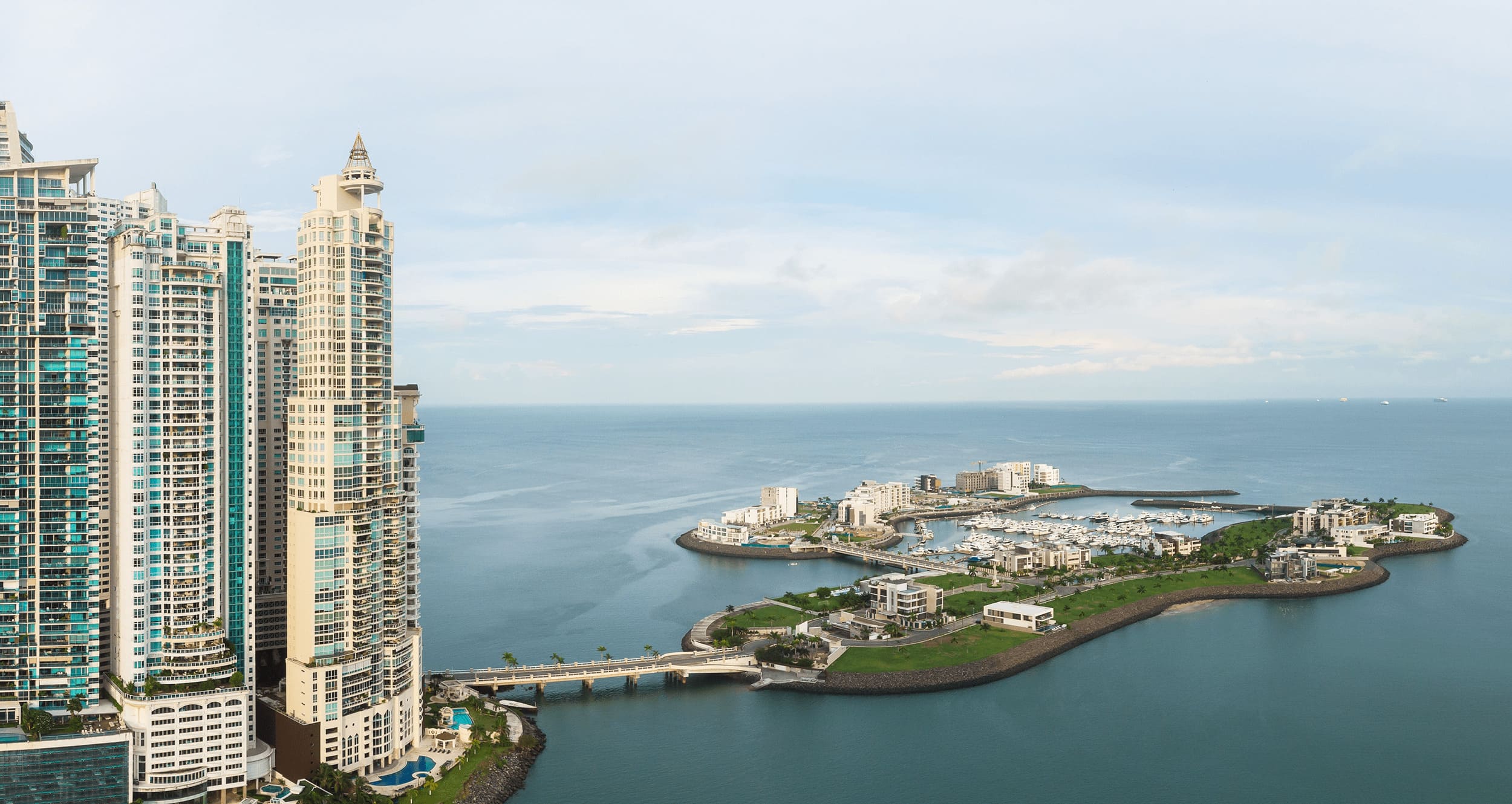
Panama has emerged as one of the region’s most appealing locations for real estate investment, driven in large part by its favorable tax framework and consistent economic stability. The tax benefits available in Panama have drawn increasing attention from international investors aiming to reduce their fiscal load while safeguarding the long‑term performance of their assets.The country has firmly established itself as a trustworthy hub for foreign investment by blending legal stability, attractive tax advantages, and a robust economic framework, a mix that has encouraged both individual purchasers and institutional investors to regard Panama as a prime spot for broadening their…
Read More
Investing in a beach home in Panama

Beach Homes in Panama: Profitable Investment Driven by Tourism & Lifestyle

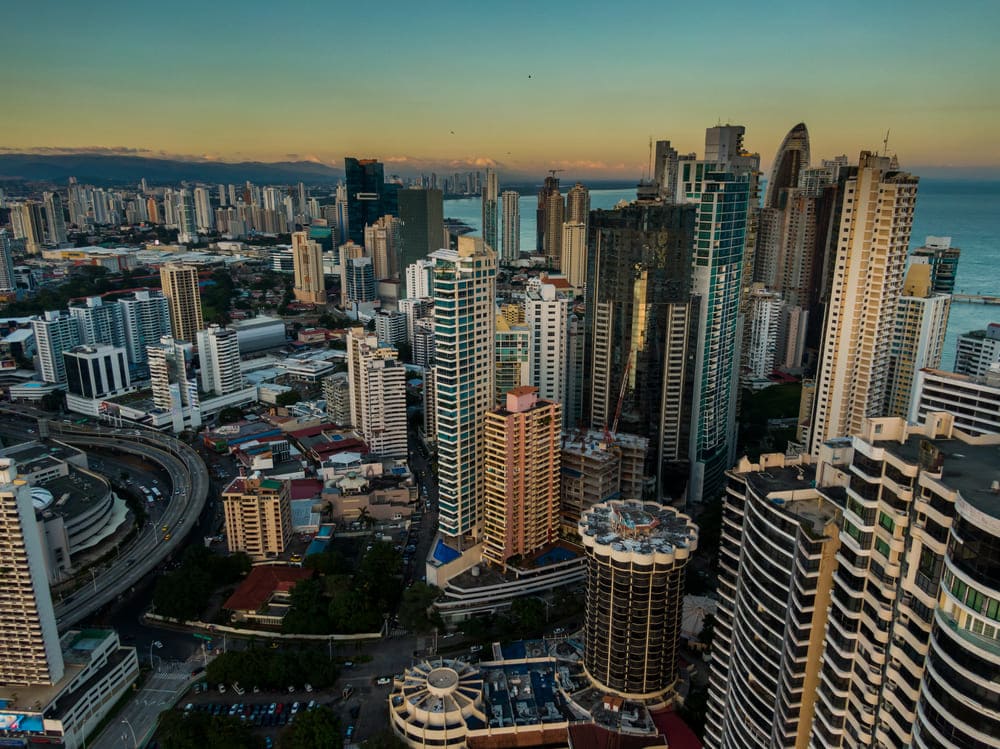
Investing in a beach house in Panama is an option increasingly considered by those seeking to diversify their assets and enjoy a privileged oceanfront setting. The growth of tourism, the country’s economic stability, and the high demand for coastal properties have made this type of asset an option with potential for profitability, appreciation, and well-being.Every day, more and more people are seeking residential communities near the beach, especially in strategic areas rich in natural beauty such as Panama Oeste, with Bayside Panama being one of the projects that meets this demand thanks to its proximity to Panama City, while seamlessly…
Read More
Guide to investing in real estate in Panama

Panama Property Investment: Benefits and Market Insights

Investing in real estate in Panama requires examining the property market, identifying districts with consistent expansion, and selecting developments that provide long-term stability and solid appreciation prospects. The nation’s dollarized economy, its investor-friendly climate, and the continuous emergence of new residential zones have turned Panama into a compelling option for both domestic and international investors.Today, across the country, real estate developments that merge prime locations with thoughtfully designed communities are gaining prominence. Bayside, situated in Panama Oeste and close to the shoreline, exemplifies this type of project by blending natural surroundings, well-curated amenities, and convenient access to the city—elements increasingly…
Read More
Adapting to life in Panama: how easy is it for expatriates?

Moving to Panama: Expat Adaptation, How Easy Is It?

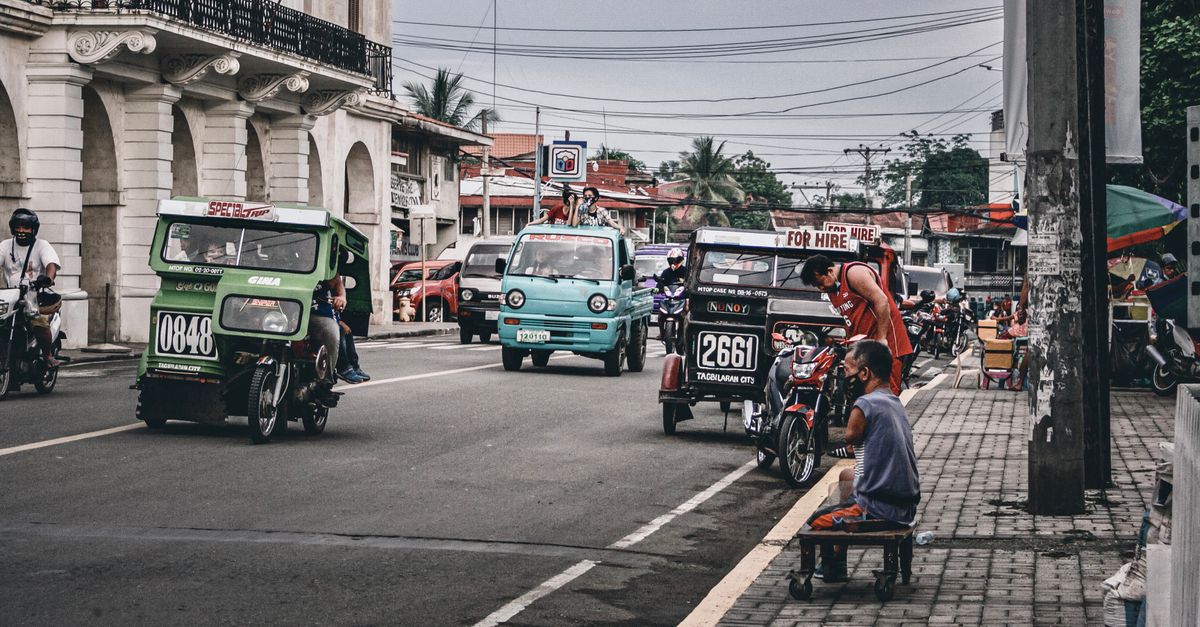
Adjusting to life in Panama as an expat generally proves to be quite seamless, as many newcomers find the transition relatively simple. The nation’s blend of economic stability, strong living standards, warm tropical weather, and welcoming cultural environment has turned it into a leading destination for foreigners eager to begin a fresh personal or professional chapter in Latin America.In turn, residential communities such as Playa Dorada in Panamá Oeste have become an attractive option for expats seeking tranquility, proximity to the sea, and access to modern amenities just minutes from the city. If you’re considering moving to the country, discover…
Read More
Why is biodegradable materials research gaining commercial interest?

Biodegradable Materials: A Commercial Breakthrough?

Biodegradable materials research has moved from academic curiosity to a commercially strategic field. Companies across packaging, consumer goods, agriculture, construction, and healthcare are investing heavily in materials that can safely decompose at the end of their life cycle. This momentum is driven by a convergence of regulatory pressure, market demand, technological progress, and economic viability.Rising Challenges in Environmental Stewardship and Waste HandlingGlobal waste production keeps climbing as conventional plastics linger for decades across landfills and natural habitats, and municipalities increasingly struggle with rising disposal expenses while soil and water pollution creates mounting legal and reputational exposure for brands; biodegradable materials,…
Read More
Cabo Verde: CSR cases strengthening the blue economy and sustainable coastal jobs

Cabo Verde CSR: Powering Blue Economy & Sustainable Jobs

Cabo Verde’s island economy is naturally oriented to the sea. Limited land area, a maritime exclusive economic zone several times larger than its landmass, and a tourism-led growth model give the coastal and marine sectors outsized importance for national livelihoods. Corporate social responsibility (CSR) that deliberately aligns company action with blue economy goals can protect marine resources while creating sustainable coastal employment. This article outlines the economic context, priority challenges, CSR models that produce measurable impact, representative case approaches with outcomes and data ranges, and scaling recommendations for resilient coastal jobs.Economic context and strategic importanceMacroeconomic role: Tourism serves as a…
Read More
Philippines: CSR strengthening disaster preparedness and neighborhood resilience

Philippine CSR Initiatives: Building Disaster Preparedness & Neighborhood Resilience

The Philippines contends with a rising array of natural threats, including tropical cyclones, storm surges, flooding, landslides, earthquakes, volcanic activity, and sea level increases. Each year, an average of 20 tropical cyclones enter the Philippine Area of Responsibility, with about five typically reaching land. Repeated large‑scale disasters—most notably Typhoon Haiyan (2013), which impacted millions and caused economic damage amounting to billions of dollars—have highlighted the urgent need for stronger disaster risk reduction (DRR) measures and more resilient communities. Companies operating in the Philippines are steadily weaving corporate social responsibility (CSR) into disaster preparedness and local resilience initiatives, shifting from occasional…
Read More
What makes a franchise model attractive compared to company-owned growth?

Franchise vs. Company-Owned: Which Growth Model Wins?

Businesses seeking expansion often face a strategic choice: grow through company-owned locations or adopt a franchise model. While both paths can lead to scale, the franchise model has proven especially attractive across industries such as food service, retail, fitness, and hospitality. Its appeal lies in how it distributes risk, accelerates growth, and leverages local entrepreneurship while maintaining brand consistency.Maximizing Capital Utilization and Accelerating GrowthOne notable benefit of franchising lies in its strong capital efficiency, as a company-owned structure requires the brand to finance real estate, construction, equipment, personnel, and early-stage operating deficits, which can significantly slow expansion.Franchising shifts much of…
Read More
Chad: CSR cases improving access to energy and essential community services

Chad: Boosting Energy Access & Community Services Through CSR

Chad faces steep development challenges shaped by geography, low density, and decades of underinvestment. With a population of roughly 16–18 million and one of the lowest GDP per capita levels in the world, basic services and reliable energy access remain limited. National electricity access is low — generally estimated at around 10% — and rural electrification is in the low single digits. In that context, corporate social responsibility (CSR) programs alongside donor and NGO interventions have become important complements to public action, focusing on renewable energy, electrification of social facilities, clean cooking, water services and community development.Why CSR plays a…
Read More
Why recycling alone won’t solve plastic pollution

Why We Need More Than Recycling for Plastic Waste

Plastic recycling is often depicted as a catch‑all solution to plastic pollution, but the reality is considerably more complex. Although recycling provides significant benefits, it cannot by itself eradicate plastic waste because of technical, economic, behavioral, and systemic limitations. This article examines these constraints, offers relevant evidence and illustrations, and underscores complementary strategies that must accompany recycling to create lasting change.Today’s scale: how production, waste, and the real impact of recycling unfoldGlobal plastic production has surged to well over 350 million metric tons annually in recent years. A landmark assessment of historical production and waste revealed that, of all plastics…
Read More