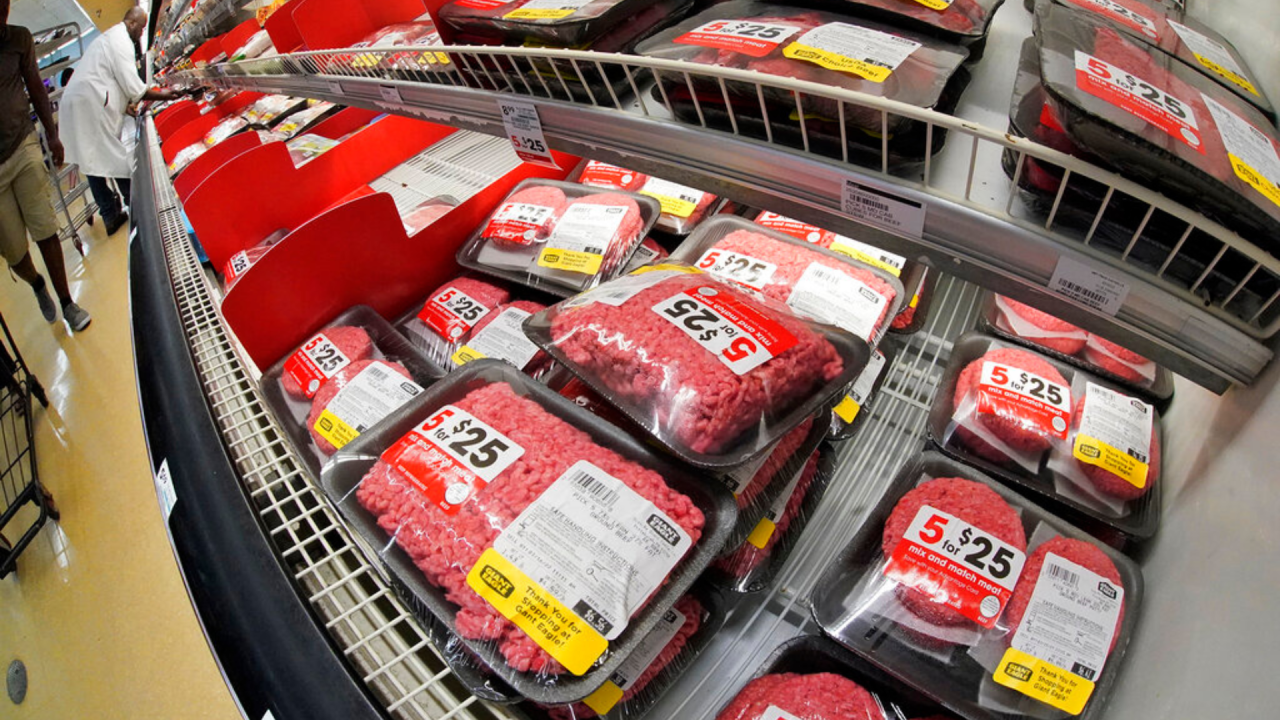

Consumers at grocery stores are encountering price surprises once more—this time not near the eggs, but at the meat section. The cost of beef has noticeably increased in the past months, placing additional pressure on family budgets already challenged by inflation. Given that beef is one of the most favored protein options in American meals, its escalating price is causing many shoppers to rethink their food choices, while experts advise that this trend might continue for quite some time.
Several elements are contributing to the increase in beef costs, with issues in the supply chain and reductions in cattle numbers being significant contributors. Over the past few years, drought situations in key cattle-producing areas, especially in the southern and western parts of the United States, have greatly impacted grazing lands and water availability. Consequently, numerous ranchers have had to decrease their herds. This reduction in supply is now reflected in supermarkets, where the lower availability of cattle directly leads to raised prices for beef items.
The consequences of this decrease in herds are intensified by the time required to restore supply. Producing cattle is a lengthy endeavor; bringing cows up to their slaughter weight might take two years or longer. Therefore, even if ranchers started to replenish their herds now, the effect on pricing wouldn’t be observed right away. This delay means that consumers might experience high beef prices for a prolonged duration.
Los costos de procesamiento y labor también han influido en el incremento general de precios. Las instalaciones de envasado de carne siguen enfrentando salarios más altos y gastos operativos, muchos de los cuales se derivan de alteraciones ocurridas durante la pandemia que nunca se normalizaron completamente. Los costos de transporte y combustible, que impactan la distribución de carne desde los mataderos hasta los minoristas, también han contribuido al aumento de precios. En conjunto, estos elementos están provocando que los precios de venta al por menor de la carne de res suban a niveles que no se veían en años.
Minced beef, steaks, and roasts are noticeably higher in cost. Market experts report that average beef prices have risen by double-digit percentages compared to this time last year. Although premium cuts are experiencing steep increases, even more budget-friendly choices like minced beef are no longer shielded from inflation. For families that depend on beef as a staple in their diet, these escalating costs are necessitating a reevaluation of weekly grocery plans.
Customers are modifying their purchasing behaviors to adapt to this pattern. Some individuals are opting for more affordable protein sources, like chicken or pork, which have not seen much fluctuation. Meanwhile, others are choosing plant-based options or reducing their overall meat intake. This pattern is reminiscent of past events involving egg prices, where supply disruptions led to significant cost hikes and consumer pushback.
Retailers are likewise experiencing strain. Grocery stores need to manage increasing wholesale costs while meeting customer demands, often faced with the choice of either absorbing a portion of these expenses or passing them on to consumers. Similarly, restaurants are contending with elevated beef prices, which may affect menu prices, serving sizes, or lead to ingredient replacements. For businesses centered on beef, like steakhouses or burger chains, this rising inflation represents both financial and operational difficulties.
Aunque los consumidores podrían desear un regreso rápido a los precios normales, los expertos indican que el alivio podría tardar en llegar. Los riesgos relacionados con el clima siguen siendo un factor importante, especialmente porque el clima impredecible continúa afectando la producción agrícola. Además, la demanda mundial de carne de res, especialmente de mercados emergentes, se ha mantenido fuerte. Este apetito internacional suma mayor competencia por la oferta limitada en EE.UU., manteniendo la presión sobre los precios.
There’s also the matter of lasting changes within the beef industry itself. As the focus on sustainability, emissions curtailment, and land management grows, a number of producers are reconsidering their methods entirely. The expense of complying with new ecological rules or adopting practices that withstand climate challenges might further affect how beef is manufactured—and the price at which it is done.
Este periodo de elevados precios de la carne no es simplemente un fenómeno pasajero. Es indicativo de desafíos más profundos y estructurales en la cadena de suministro de alimentos, la agricultura y el comportamiento del consumidor. Al igual que las escaseces de huevos que acapararon los titulares anteriormente, este aumento es un claro ejemplo de cómo los productos básicos en el supermercado pueden ser sensibles a las variaciones en el clima, la mano de obra, la logística y la economía.
As families search for methods to adjust, dietary specialists advise being versatile and inventive with meal planning. Integrating a broader range of protein sources, trying out vegetarian meals, and taking advantage of promotions or discounts can assist in lessening the effect of increased beef prices. For individuals who do not want to completely forgo beef, options such as smaller servings or choosing more economical cuts could provide a middle ground.
Ultimately, the rising cost of beef highlights the significance of resilience in food systems. Regardless of whether it’s drought, disease, or disruption, the capacity of supply chains to endure shocks is crucial to guaranteeing food that is both affordable and accessible for everyone. Although beef prices are elevated today, the insights gained from this situation might influence how both producers and consumers handle meat in the future.