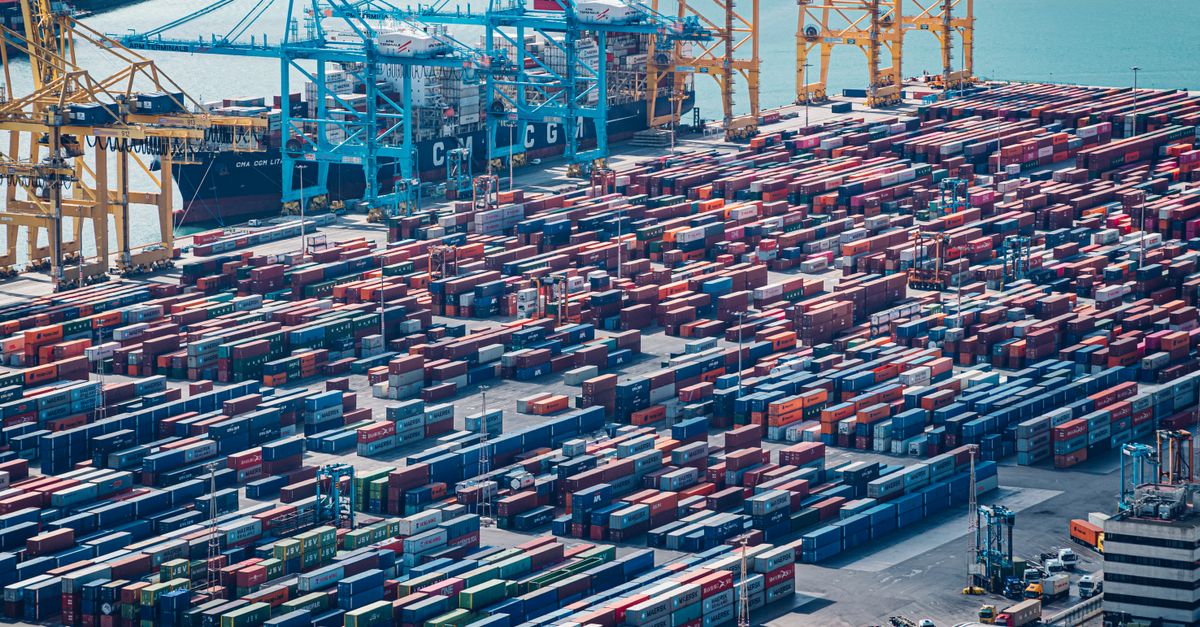

Global supply chains are larger and more connected than ever, yet they regularly feel brittle. Disruptions that once would have been localized now ripple across continents. That fragility is not just a series of bad events; it is the product of structural choices, changing risk landscapes, and incentives that prioritize cost efficiency over redundancy. Understanding why requires looking at concrete disruptions, systemic drivers, and the realistic trade-offs firms and governments face when trying to harden supply lines.
High-profile shocks that exposed weak links
- COVID-19 pandemic: Factory shutdowns, labor shortages, and demand swings in 2020–2022 caused shortages across medical supplies, electronics, and consumer goods. Ports experienced backlogs and lead times extended from weeks to months in many industries.
- Suez Canal blockage (Ever Given, 2021): A single grounded ship stopped a major artery for six days, delaying hundreds of vessels and disrupting around an estimated $9–10 billion of trade per day while backlogs cascaded through inventory systems.
- Semiconductor shortages: Demand surges and constrained fabrication capacity reduced global vehicle output by millions of units in 2020–2022, demonstrating how a handful of specialized suppliers can constrain entire industries.
- Russia–Ukraine war: Disruptions to grain, fertilizer, and energy flows from a pair of major exporters helped push food and input costs higher and revealed dependencies in commodity markets.
- Cyberattack on Maersk (NotPetya, 2017): One targeted malware incident paralyzed a major container operator and led to losses in the hundreds of millions, showing how digital vulnerabilities can translate to physical disruption.
- Extreme weather and regional disasters: Thailand floods (2011) and other climate events shut factories producing hard disk drives and electronics components, illustrating the outsized impact of local events on global products.
Fundamental structural factors underlying fragility
- Concentration of production: Many essential components are manufactured in only a handful of locations. Semiconductor facilities, specific active pharmaceutical ingredients, and rare earth processing centers are highly clustered, allowing local setbacks to escalate into worldwide disruptions.
- Lean, just-in-time practices: Minimal stock levels and tightly synchronized deliveries trim holding costs but remove protective buffers, leaving systems exposed when any element falters.
- Length and complexity: Extensive, layered supplier networks obscure where vulnerabilities build up. Companies typically recognize only their direct suppliers, while deeper-tier risks stay hidden.
- Logistics bottlenecks: Restricted port throughput, limited container availability, and capacity-constrained trucking and rail systems generate chokepoints that magnify upstream issues into prolonged delays and increased expenses.
- Labor and skills shortages: Insufficient numbers of truck drivers, port operators, warehouse teams, and specialized factory technicians diminish the ability to manage demand spikes or redirect shipments.
- Financial optimization and incentives: Procurement and finance functions frequently prioritize lower unit costs and capital efficiency rather than resilience, resulting in insufficient investment in risk‑reducing measures.
Newly emerging stress factors intensifying overall fragility
- Climate change: Increasingly intense and frequent extreme weather elevates the risk of interruptions in manufacturing and transportation.
- Geopolitical fragmentation: Export limits, sanctions, and other trade barriers can suddenly sever access to key suppliers or shipping routes.
- Cyber and geopolitical risk: Digital intrusions and state-driven interference may disrupt logistics networks, communications channels, and industrial control technology.
- Regulatory and ESG pressures: Rapid shifts in regulation and sustainability mandates heighten transition risk and may funnel demand toward compliant providers.
Why quick fixes often fail
- Diversification costs: Adding alternative suppliers, building parallel capacity, or carrying extra inventory raises unit costs and can reduce competitiveness.
- Lead-time and scale friction: New suppliers take time to qualify; some capabilities require large scale investments that cannot be switched overnight.
- Policy limits: Reshoring or onshoring is politically popular but costly and slow; critical sectors like advanced chips or pharmaceuticals need long-term, capital-intensive investments.
- Visibility limits: Many firms lack data on second- and third-tier suppliers, making targeted resilience actions difficult.
Practical strategies that companies and governments can put into action
- Risk mapping and supplier visibility: Use digital supplier registries, audits, and data-sharing to identify concentration risks beyond first-tier suppliers.
- Diversification and dual sourcing: Where feasible, add geographically separated suppliers or dual-source critical components to avoid single points of failure. Several electronics firms have shifted some production from one country to multiple countries in Asia.
- Strategic inventory and safety stock: Hold higher critical-component buffers or strategic reserves for key inputs. Retailers and manufacturers increased inventory targets after pandemic shocks.
- Regionalization and nearshoring: Shorten logistics by producing closer to demand markets when total landed cost justifies it; nearshoring to Mexico for the U.S. market is a growing example.
- Invest in visibility and analytics: Control towers, predictive analytics, and digital twins help anticipate disruptions and simulate alternative supply paths.
- Robust contracts and collaborative relationships: Long-term partnerships, capacity reservations, and shared contingency plans align incentives and enable faster coordinated responses.
- Public policy measures: Governments can support critical domestic capacity through incentives (for example, semiconductor subsidies), maintain strategic stockpiles, and strengthen port and logistics infrastructure.
- Cybersecurity and operational testing: Regular cyber resilience measures and tabletop exercises reduce the likelihood and impact of digital disruptions.
Ways to gauge advancement
- Time-to-recover (TTR): Measure how long operations take to return to baseline after disruption.
- Supplier concentration metrics: Track percentage of spend with top suppliers and geographic concentration by critical component.
- Inventory coverage: Monitor days-of-supply for critical parts rather than aggregate inventory turns.
- Scenario-test frequency: Regular stress testing against plausible geopolitical, climate, and cyber events.
Case notes that illustrate trade-offs
- Semiconductors: Initiatives to establish additional fabs across various countries help diffuse concentration risk, though transforming the sector still hinges on government support and many years of sustained investment.
- Retailers: Certain retailers chose to hold larger post-pandemic inventories to safeguard revenue, accepting the tradeoff of tying up working capital and exposing themselves to greater markdown exposure.
- Shipping: Container prices multiplied several times during the pandemic as surging demand met capacity constraints and extended dwell times, and easing those pressures depended on coordinated industry action along with targeted infrastructure improvements.
Supply chains stay vulnerable because even finely tuned operations must coexist with inherent unpredictability. Reinforcing them is not a single technical solution but a continual effort to rebalance cost, speed, and risk, supported by richer data, stronger buyer–supplier cooperation, thoughtful public policy, and focused capital investment. Building resilience involves recognizing lasting trade-offs: accepting higher ongoing expenses to reduce systemic fragility, choosing slower yet more reliable response pathways, and embracing greater transparency that enables sharper, faster decisions when the next disruption occurs.