

As the global fashion industry expands its footprint across emerging markets, India has increasingly become a focal point for Western brands seeking growth beyond saturated territories. With its rapidly expanding middle class, youthful demographics, and digital connectivity, India presents a wealth of opportunity for retailers looking to tap into a consumer base eager for new experiences and global trends. However, while the potential rewards are considerable, entering India’s complex cultural landscape requires more than just a savvy marketing campaign or a popular product line—it demands sensitivity, adaptability, and a deep understanding of local identity.
India’s fashion scene has undergone a remarkable transformation in recent years. Homegrown designers have gained international recognition, consumers are more style-conscious than ever, and e-commerce has made high-end fashion accessible across urban and semi-urban centers alike. Western brands—from luxury labels to fast-fashion giants—are increasingly drawn to this vibrant market. But despite the enthusiasm, success is far from guaranteed.
A recurring issue faced by international fashion companies operating in India is the challenge of cultural alignment. While Indian consumers are open to global influences, they are also deeply rooted in traditions that shape their expectations and values. A brand that fails to navigate this duality risks alienating its audience and sparking backlash.
Several companies have learned this the hard way. Campaigns that unintentionally disregard religious sensitivities, misuse traditional symbols, or overlook social nuances have been met with criticism and even calls for boycotts. The Indian public, increasingly vocal on social media, is quick to hold global brands accountable for cultural insensitivity. A misjudged advertisement, an inappropriate product name, or a lack of local representation in branding can undo years of positive brand-building efforts.
For Western companies, entering the Indian market necessitates more than simple adaptation—it calls for a deep cultural understanding. Grasping the nation’s diversity is crucial. India is a tapestry of numerous languages, faiths, traditions, and localized tastes. A concept that succeeds in Mumbai may not work in Kolkata, and a popular trend in Bengaluru could be insignificant in Lucknow.
Working with local professionals can be a productive method to close this cultural divide. Indian designers, marketers, and cultural advisors offer crucial understanding in tailoring global products to suit local tastes while maintaining the essence of the brand. Successful initiatives typically emerge from collaborations that honor Indian traditions while matching global styles.
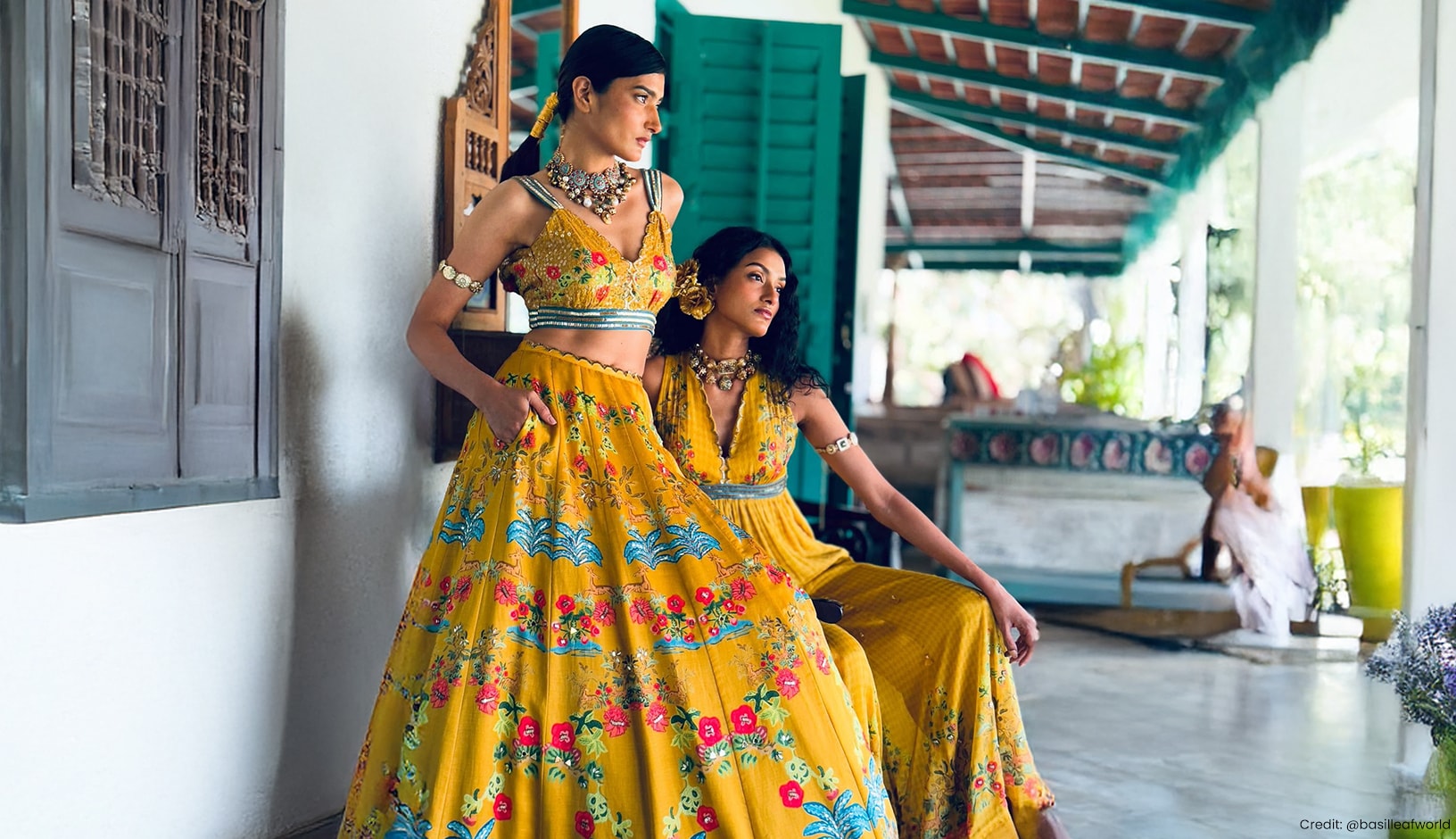
Take, for example, the rising trend of “fusion fashion,” which blends Western silhouettes with traditional Indian textiles and motifs. Many Indian consumers appreciate when brands make a genuine effort to honor their cultural expressions rather than appropriate them. Incorporating elements like handloom fabrics, regional embroidery styles, or locally inspired color palettes can help create collections that feel relevant and respectful.
However, authenticity must go beyond visual elements. Cultural engagement must be embedded in every stage—from product development to marketing strategy. This includes ensuring that communications are inclusive, representing the full spectrum of Indian identities in race, gender, body type, and regional diversity. Representation matters, especially in a society where underrepresented groups are increasingly demanding visibility.
Pricing is a vital factor to consider. Although India has an increasing number of wealthy consumers, cost remains a significant issue for most people. Western fashion labels frequently have difficulty striking the appropriate balance between preserving a high-end brand identity and providing competitive prices. Errors in this aspect might lead to a perception of being disconnected from the market’s actual conditions.
Moreover, India’s increasing focus on sustainability is influencing consumer decisions. For a long time, traditional Indian principles have included practices like reuse, repair, and mindful consumption. Companies that advocate for environmentally sustainable methods, responsible sourcing, and fair labor standards are expected to appeal more to Indian shoppers, especially the younger demographic that is both ambitious and socially conscious.
The legal framework also requires careful consideration. India’s rules for retail, taxes on imports, and intricate supply chain systems can be challenging for those new to the market. A thoughtful strategy frequently includes collaborating with regional distributors or creating joint ventures to maneuver through the business environment more efficiently. Companies that enter with a focus on long-term goals and a commitment to learning about local ecosystems usually achieve greater success than those seeking immediate gains.
Digital engagement plays a central role in reaching Indian consumers. The country’s smartphone penetration and social media usage are among the highest in the world. Influencer collaborations, regionally tailored campaigns, and multilingual content can significantly enhance a brand’s visibility and relevance. However, online virality can work both ways—any cultural misstep can spread rapidly and damage brand equity.
In conclusion, India presents significant opportunities for Western fashion companies ready to put in the effort. It goes beyond merely selling apparel or accessories; it’s about creating a connection with customers who value their cultural heritage and want brands to honor and mirror that pride. Success comes to those who dedicate time and resources to understand, resonate with, and grow alongside their audience.
For the worldwide fashion sector, India is not just an additional developing market. It is a vibrant cultural force, with the ability to shape global trends while staying deeply connected to its traditions. Brands that understand this intricacy and approach it with modesty and innovation will be most suited to succeed in this promising yet challenging landscape.
As India continues to rise on the global fashion stage, the message to international brands is clear: opportunity abounds, but so does responsibility. Cultural intelligence is no longer optional—it is essential.




:max_bytes(150000):strip_icc()/fashion-designer-coco-chanel--1883-1971----c--early-50-s-89865776-5c85557f46e0fb0001a0be81.jpg "Coco Chanel, Famed Fashion Designer and Executive")