Blog

Congo: CSR cases advancing community health and responsible supply chains

CSR in Congo: Driving Health Outcomes & Ethical Sourcing

The Democratic Republic of the Congo (DRC) lies at a pivotal crossroads of global supply chains, abundant natural resources, and pressing public health demands. The nation provides a substantial portion of key strategic minerals — especially cobalt, for which it delivers about 60–70% of worldwide output — while simultaneously facing entrenched health challenges, including endemic malaria, recurrent outbreaks such as Ebola and measles, and deficiencies in maternal and child care, water and sanitation systems, and basic healthcare access. Corporate social responsibility (CSR) initiatives that integrate supply-chain accountability with targeted community health support can mitigate risks, bolster local resilience, and help…
Read More
Denmark: CSR cases leading circular economy and sustainable design

Denmark’s Sustainable Design: CSR Cases in Circular Economy

Denmark has become a global laboratory for turning corporate social responsibility (CSR) into commercially scalable circular economy strategies and sustainable design practices. Public ambition, consumer awareness, and collaborative institutions combine with innovative companies and startups to create examples that are widely cited and often replicated. The Danish approach blends product redesign, new business models, infrastructure investment, and supportive policy to reduce waste, keep materials in use, and lower carbon emissions while maintaining competitiveness.Corporate leaders transforming CSR into circular business modelsLEGO — The LEGO Group has tied CSR to product innovation and supply-chain change. Its public target to transition core products…
Read More
Berlin, in Germany: What drives seed-to-Series A conversion in European venture markets

Analyzing Seed-to-Series A Conversion in European Venture from Berlin

Berlin is one of Europe’s most visible startup hubs. Its combination of low cost of living (relative to other top global tech cities), deep talent pools, international founders, and a dense network of early-stage investors and operators makes it a natural laboratory for understanding what drives seed-to-Series A conversion across Europe. This article synthesizes market context, core drivers, Berlin-specific dynamics, representative cases, key metrics, and practical guidance for founders and investors aiming to increase the odds of moving from seed to a robust Series A round.Why the transition from seed funding to a Series A round mattersSeed-to-Series A conversion refers…
Read More
Why power grids are a bottleneck for clean energy

The Power Grid Bottleneck: Impact on Clean Energy Adoption

The move toward low‑carbon electricity depends on grids being able to transfer, regulate, and oversee far greater and more unpredictable energy volumes than they were originally designed to handle, and these systems are repeatedly constrained by technical limits, entrenched practices, regulatory hurdles, and societal pressures. This article describes how that bottleneck functions, highlights real examples that reveal its impact, and presents practical ways to accelerate meaningful progress.How the grid’s physical layout clashes with clean energy productionGeography and resource mismatch. Prime wind and solar locations frequently lie far from major load centers. Offshore arrays, distant wind installations, and sun-rich desert zones…
Read More
International Collaboration on Cosmetics Safety Announces 2026 Board Officers

ICCS Announces 2026 Board Officers

The International Collaboration on Cosmetics Safety ushers in a new phase as its 2026 Board officers take their roles, strengthening its worldwide dedication to promoting animal-free innovations in cosmetics safety science amid swift regulatory and scientific shifts.The International Collaboration on Cosmetics Safety (ICCS) has announced its confirmed Board officers for 2026, following elections conducted during the organization’s December 2025 Board meeting, marking a notable achievement for the still young global initiative as it advances its role in promoting scientifically sound, human‑relevant alternatives to animal testing in cosmetics safety evaluation, with the newly appointed leadership illustrating both continuity and the increasing…
Read More
International Collaboration on Cosmetics Safety Announces 2026 Board Officers

Future Leadership: International Collaboration on Cosmetics Safety 2026 Board Officers

The International Collaboration on Cosmetics Safety opens a new chapter with the selection of its 2026 Board officers, strengthening its worldwide dedication to promoting animal‑free innovations in cosmetics safety science amid swift regulatory and scientific evolution.The International Collaboration on Cosmetics Safety (ICCS) has confirmed its Board officers for 2026, following elections held during the organization’s December 2025 Board meeting. The announcement marks a significant milestone for the relatively young global initiative, which continues to position itself at the forefront of efforts to replace animal testing in cosmetics safety assessment with scientifically robust, human-relevant alternatives. The newly elected leadership reflects both…
Read More
What is Moltbook, the social networking site for AI bots – and should we be scared?

The Rise of Moltbook: AI Bots’ New Social Hub

A quiet experiment is exploring what unfolds when artificial intelligence systems engage with each other on a large scale, keeping humans outside the core of their exchanges, and its early outcomes are prompting fresh concerns about technological advancement as well as issues of trust, oversight, and security in a digital environment that depends more and more on automation.A newly introduced platform named Moltbook has begun attracting notice throughout the tech community for an unexpected reason: it is a social network built solely for artificial intelligence agents. People are not intended to take part directly. Instead, AI systems publish posts, exchange…
Read More
Antigua and Barbuda: hotel CSR protecting reefs and promoting stable local employment

Antigua and Barbuda Hotels: CSR Initiatives for Reef Protection & Local Stability

Antigua and Barbuda is a small island nation whose economic stability and community welfare remain closely tied to the condition of its nearshore coral reefs. These reefs furnish fish vital for local food supplies, buffer coastlines against storm surge and erosion, and support key tourism experiences such as snorkeling and diving. Hotels that channel resources into corporate social responsibility (CSR) efforts to preserve reef ecosystems while fostering steady local employment not only enhance their environmental performance but also protect the essential assets that drive visitor interest and strengthen community resilience.Primary dangers facing reefs and the tourism workforceClimate stress: heat‑driven coral…
Read More
Italy: How family enterprises plan succession without disrupting strategic direction

Italy’s Family Businesses: Planning Succession While Preserving Strategy

Family-owned enterprises hold a predominant place within the Italian private sector, both in scale and cultural weight. Research and academic analyses suggest that these family-run companies make up a substantial majority of Italy’s businesses and generate a considerable portion of private employment and economic value. Within such firms, succession is far more than a staffing transition; it represents a pivotal moment that can safeguard long-built strategic direction or, conversely, lead to fragmentation, weakened market standing, and financial pressure.This piece outlines how Italian family enterprises orchestrate succession while preserving their strategic trajectory, detailing practical governance tools, legal and tax approaches, talent-development…
Read More
How a distant conflict can raise the price of everyday goods

How Global Conflicts Impact Daily Prices

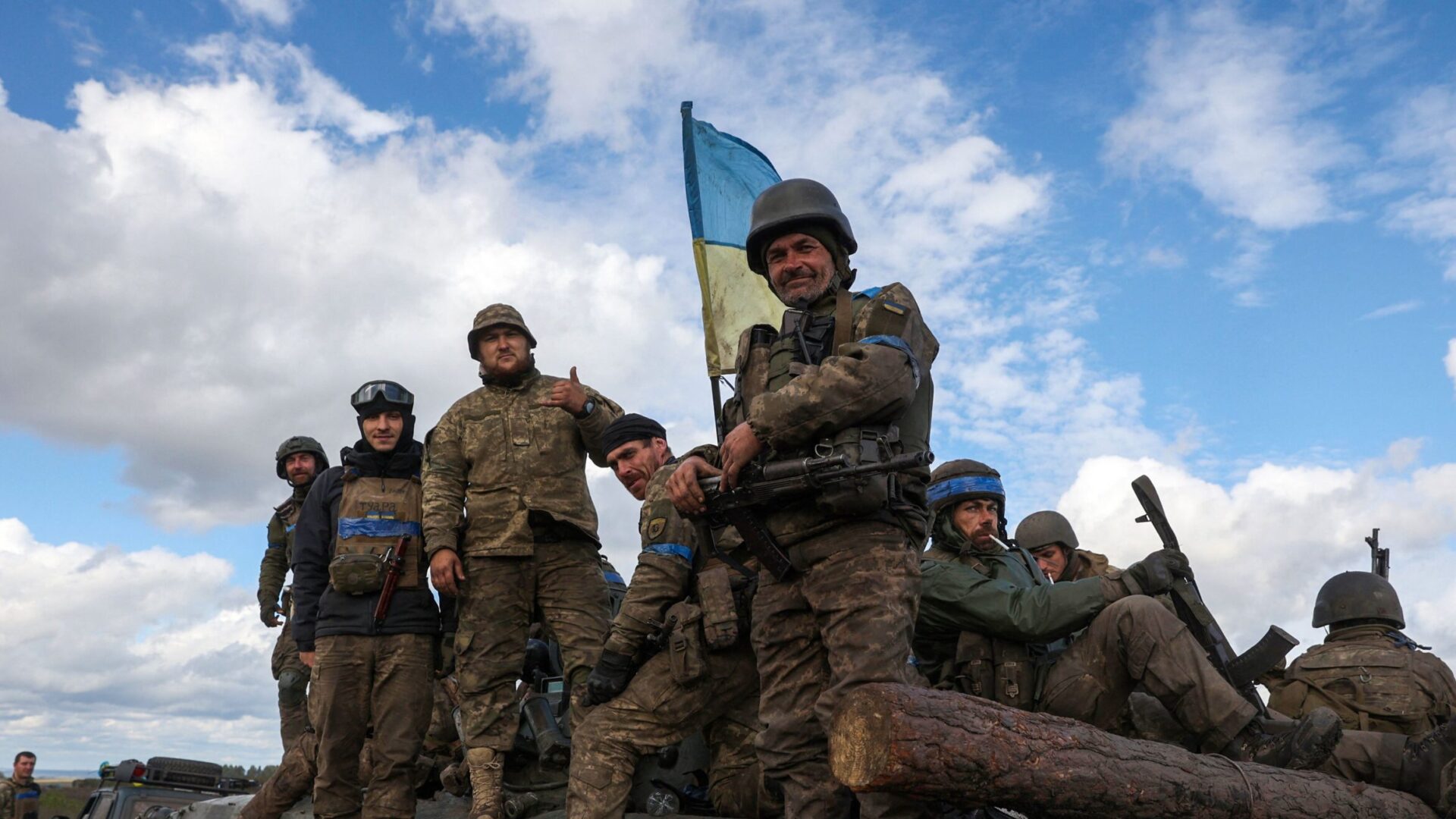
A war or political clash occurring far from home can push up the cost of everyday items through a cascading mix of economic and logistical pressures. Today’s supply networks are deeply interconnected, and vital inputs like energy, metals, food, and shipping capacity tend to be concentrated in a few key producing areas. When turmoil interrupts production, trade routes, insurance services, or financial operations in those locations, input costs rise, and producers ultimately transfer those higher expenses to consumers.Primary transmission pathwaysCommodity supply shocks — Conflicts that interrupt exports of oil, gas, wheat, fertilizers, or metals directly reduce global supply and push…
Read More