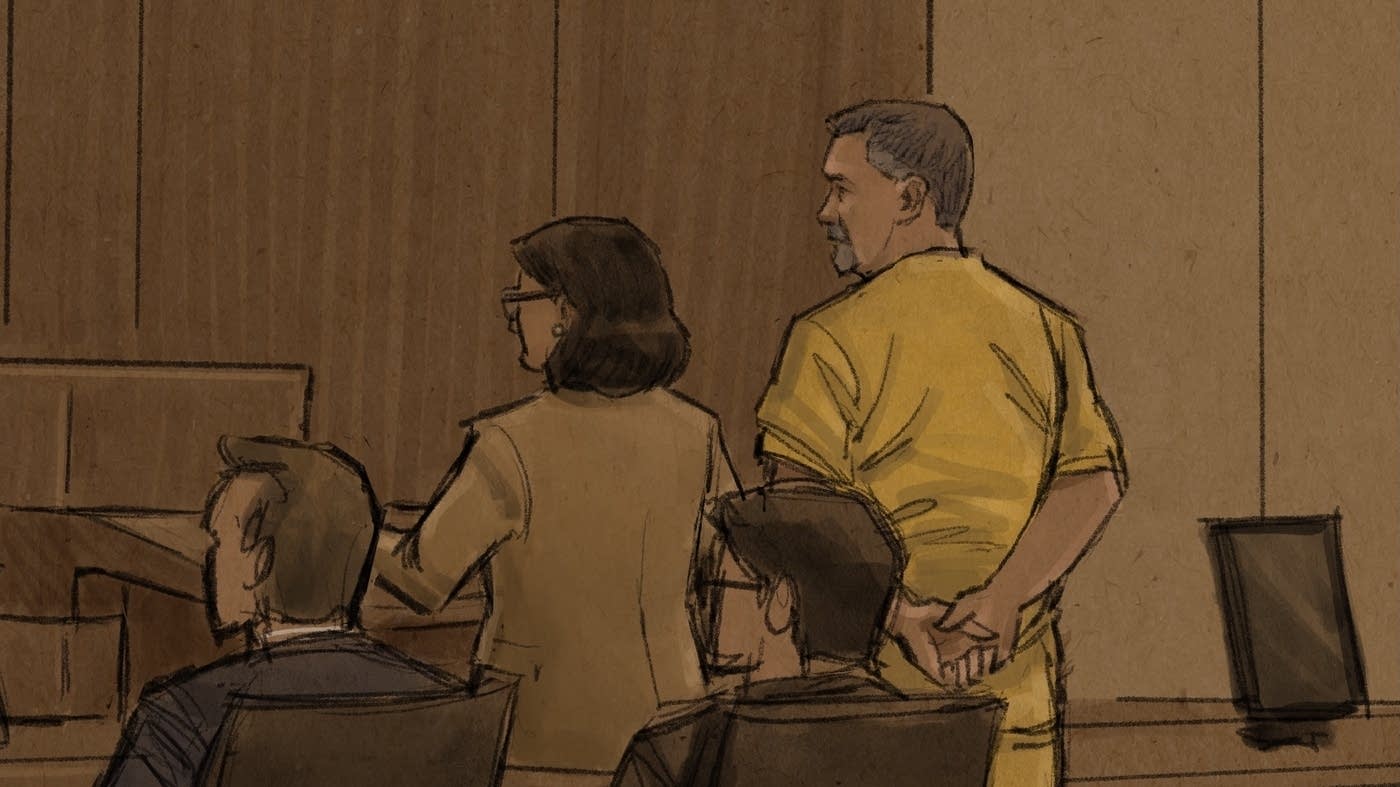

The person accused of the deadly shooting of a Minnesota state representative has officially contested the accusations during a recent legal hearing. The suspect, standing before a district court judge, declined to acknowledge culpability for the violent act that resulted in the death of the well-known public figure earlier this year.
Legal counsel for the defendant entered a plea of not guilty to all accusations, encompassing charges of first-degree murder and associated firearm offenses. This plea creates the framework for what prosecutors expect to be a complicated and emotionally intense judicial proceeding. The court has planned several pretrial sessions to discuss issues concerning evidence and procedural inquiries prior to determining a trial date.
Court documents reveal that authorities allege the shooting occurred following a prolonged dispute between the suspect and the legislator, though specific details about the nature of their relationship remain sealed under a protective order. Investigators reportedly recovered the alleged murder weapon and have collected numerous witness statements to support their case.
The victim, known for advocating criminal justice reform and community safety initiatives, had served in the state legislature for nearly a decade before the tragic incident. Colleagues and constituents have described the lawmaker as a dedicated public servant whose death has left a significant void in Minnesota politics.
Prosecutors have stated that they might seek a sentence of life behind bars without the possibility of parole if the individual is found guilty. The county attorney’s office has brought together a dedicated team to manage the prominent case, utilizing seasoned homicide prosecutors and investigators.
Lawyers for the defense have indicated their plan to dispute various parts of the state’s evidence, such as the validity of specific forensic tests and the context in which the defendant’s first statements to law enforcement occurred. Experts in law propose that the defense might aim to scrutinize the investigative methods and how the digital evidence is analyzed.
The courtroom proceedings have drawn substantial media attention and public interest, prompting heightened security measures at the courthouse. Court administrators have implemented a lottery system for public seating due to the limited capacity in the courtroom and overwhelming demand from journalists and community members.
Community representatives urge everyone to remain calm during the judicial proceedings, highlighting the need for the legal system to function unobstructed. Local groups have organized vigils and commemoration events to celebrate the legacy of the deceased legislator while acknowledging the current legal situation.
The next phase of the proceedings will involve extensive discovery, during which both sides will exchange evidence and depose potential witnesses. Legal experts estimate the pretrial phase could extend for several months given the complexity of the case and the volume of evidence involved.
As the local population continues to mourn the passing of their chosen leader, this situation highlights wider concerns regarding the protection of public figures and the growing dangers they encounter. The Minnesota legislature has recently discussed improved security protocols for legislators, but no official policy modifications have been enacted following the event.
The tribunal has issued an order restricting the involved parties from talking about case specifics in public, ensuring the judicial process is not influenced by external remarks. This action is intended to safeguard the defendant’s right to a just trial while preserving the proceedings’ integrity.
Observers note that this case represents one of the most significant prosecutions in recent Minnesota history, given the victim’s prominent position and the circumstances surrounding the alleged crime. The outcome will likely have lasting implications for both the local community and the state’s political landscape.
As the legal process continues, the community remains divided between those seeking swift justice and others advocating for a thorough examination of all evidence. This tension reflects the broader challenges faced by the criminal justice system when handling high-profile violent crimes involving public figures.
The advancement of the case will be attentively watched by specialists in law, political analysts, and community supporters, all trying to find a resolution while respecting the legacy of the deceased legislator. The judiciary has stressed its dedication to providing an equitable and clear procedure for all the parties engaged in this unfortunate matter.