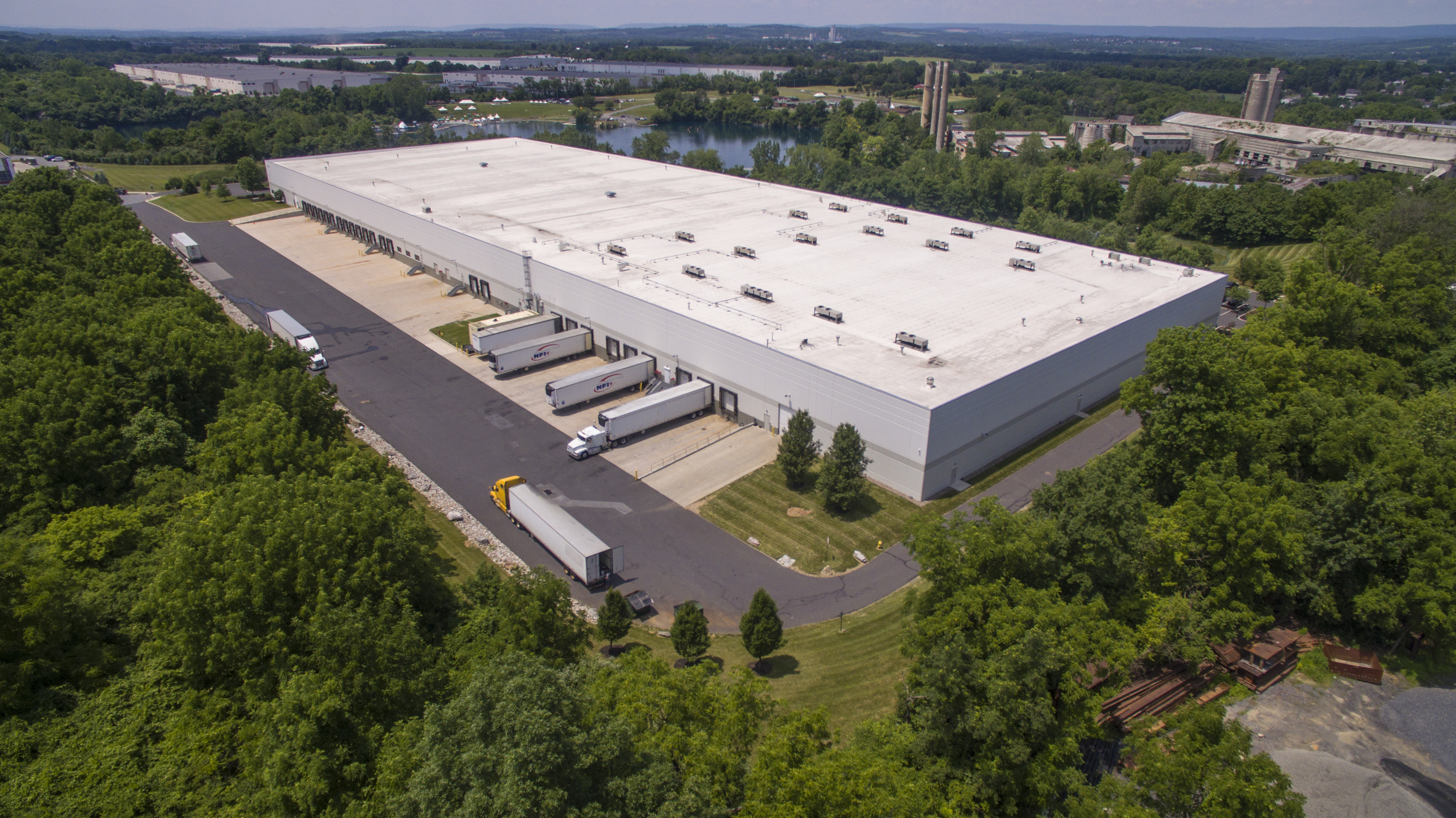

In the intricate realm of international trade, tariffs frequently have a significant impact on economic policies, global supply chains, and the prices that consumers encounter for standard products. However, although much focus is placed on debates about trade restrictions and the duties applied to imports, there is an underappreciated system in the United States that enables companies to evade certain tariffs entirely: Foreign-Trade Zones (FTZs).
These zones, scattered across the country, provide companies with temporary tariff relief under specific conditions, offering flexibility that can significantly impact business operations, costs, and competitiveness. Though largely invisible to the average consumer, FTZs represent a crucial, if understated, component of the American economic landscape.
The United States now features over 250 operational Foreign-Trade Zones and more than 500 subzones, which are strategically positioned close to ports, industrial centers, and key transportation paths. Initiated under the Foreign-Trade Zones Act of 1934, this initiative aims to boost domestic manufacturing, increase exports, and generate employment by easing tariff obligations on imported merchandise that is processed or assembled within the U.S.
The fundamental idea of these zones is simple: products that enter an FTZ do not incur U.S. Customs duties unless they exit the zone and move into the national market. This allows businesses within an FTZ to store, assemble, produce, or re-ship goods without facing immediate tariff expenses. Should the products be exported to other countries in the end, they might bypass U.S. tariffs altogether.
This framework provides strong motivations for companies to establish production and logistics operations within these areas. For instance, an automobile producer that sources parts internationally can import them into an FTZ, construct vehicles, and subsequently decide to either market them in the U.S. or export them to other countries. When exported, the complete goods are exempt from U.S. tariffs entirely. Even when sold within the country, the producer might gain by incurring duties on the lower-cost components instead of the more expensive finished goods.
In an era where global supply chains are more interconnected than ever, FTZs offer U.S. businesses valuable tools to remain competitive, especially when international competition and shifting trade policies introduce volatility into global markets. For some industries, such as electronics, automotive, pharmaceuticals, and aerospace, participation in FTZ programs can result in millions of dollars in savings annually.
Moreover, FTZs can help businesses navigate temporary changes in trade policy, including the imposition of tariffs on specific goods or countries. During periods of escalating trade tensions, companies operating within these zones often have greater flexibility to adjust their supply chain strategies without immediate financial penalties.
The benefits of FTZs extend beyond tariff relief. These zones also streamline customs procedures, reduce paperwork, and provide logistical advantages that can accelerate delivery times and improve inventory management. In some cases, companies can defer payment of duties until goods are shipped out of the zone, improving cash flow and operational efficiency.
For regional economies, the presence of an FTZ can be a catalyst for growth. Local governments and economic development agencies often advocate for the establishment of FTZs as a means of attracting investment, creating jobs, and enhancing industrial infrastructure. Ports, in particular, benefit from increased activity as businesses use FTZs for storage and distribution.
Despite their advantages, Foreign-Trade Zones are not without controversy or criticism. Some critics argue that FTZs disproportionately benefit large multinational corporations while offering limited support to small and medium-sized enterprises. Others raise concerns about the potential for regulatory loopholes or unintended economic consequences, such as reduced demand for domestic materials or manufacturing.
There is also ongoing debate about the environmental and labor implications of FTZs. Because goods processed in these zones may be intended for export rather than domestic consumption, there are questions about whether such operations fully align with U.S. labor standards and environmental protections. While FTZs are subject to U.S. laws, enforcement and oversight can vary, particularly in regions where economic pressures create strong incentives for rapid industrial development.
Nonetheless, for many U.S. businesses, FTZs remain an essential strategic tool in a highly competitive global economy. The growing importance of e-commerce, advanced manufacturing, and technology-driven industries has only increased interest in utilizing these zones. For example, major logistics companies and distribution centers, particularly those handling high-value electronics or medical devices, frequently leverage FTZs to manage inventory and optimize tax exposure.
The importance of FTZs was highlighted even further during the interruptions induced by the COVID-19 pandemic. Challenges in supply chains, variable demand, and changing international trade patterns emphasized the necessity of being adaptable in operations. Numerous businesses that had not earlier recognized the advantages of FTZs started considering them as a component of their strategies for enhancing resilience.
The landscape of tariff policy in the United States continues to change, shaped by political changes, economic objectives, and global pacts. The recent emphasis on bringing manufacturing back to the country, decreasing dependence on specific international suppliers, and reinforcing national supply chains has brought new focus to trade policy instruments that can support these objectives. FTZs, by enabling companies to lessen tariff liabilities while keeping operations within the country, fit with wider efforts to enhance U.S. industrial strength.
For those investing, grasping the function of FTZs provides a perspective on the strategic choices enacted by significant corporations, especially within industries sensitive to trade. Businesses that skillfully utilize FTZs could gain a competitive advantage by controlling expenses, enhancing supply networks, and responding to shifts in regulations. On the contrary, companies that don’t exploit these tools might experience a competitive drawback in swiftly evolving markets.
While most consumers remain unaware of the existence of FTZs, they may indirectly benefit from the cost savings these zones enable. Lower production costs can translate into more competitive pricing for goods, while increased industrial activity can spur job creation and regional economic development.
Looking forward, advancing and updating the FTZ initiative could become a significant focus for decision-makers who aim to keep American enterprises flexible and competitive in a challenging international market. This might involve attempts to make FTZs more reachable for small enterprises, improve clarity in regulations, and synchronize activities with sustainability objectives.
As trade debates continue on the national stage, with discussions ranging from tariffs on specific industries to broader trade agreements, the quiet yet powerful role of Foreign-Trade Zones remains a key element of the economic conversation. These zones offer a reminder that, even within the framework of protectionist or interventionist trade policies, there exist mechanisms designed to balance competing interests—supporting domestic industries while fostering global commerce.
For the thousands of companies that rely on these zones each day, the ability to temporarily sidestep tariffs isn’t merely a bureaucratic technicality—it’s a vital part of their survival and growth strategies. And as international trade faces new challenges and uncertainties, the presence of hundreds of these temporary tariff-free zones across the United States may continue to shape the future of American business in ways both visible and unseen.