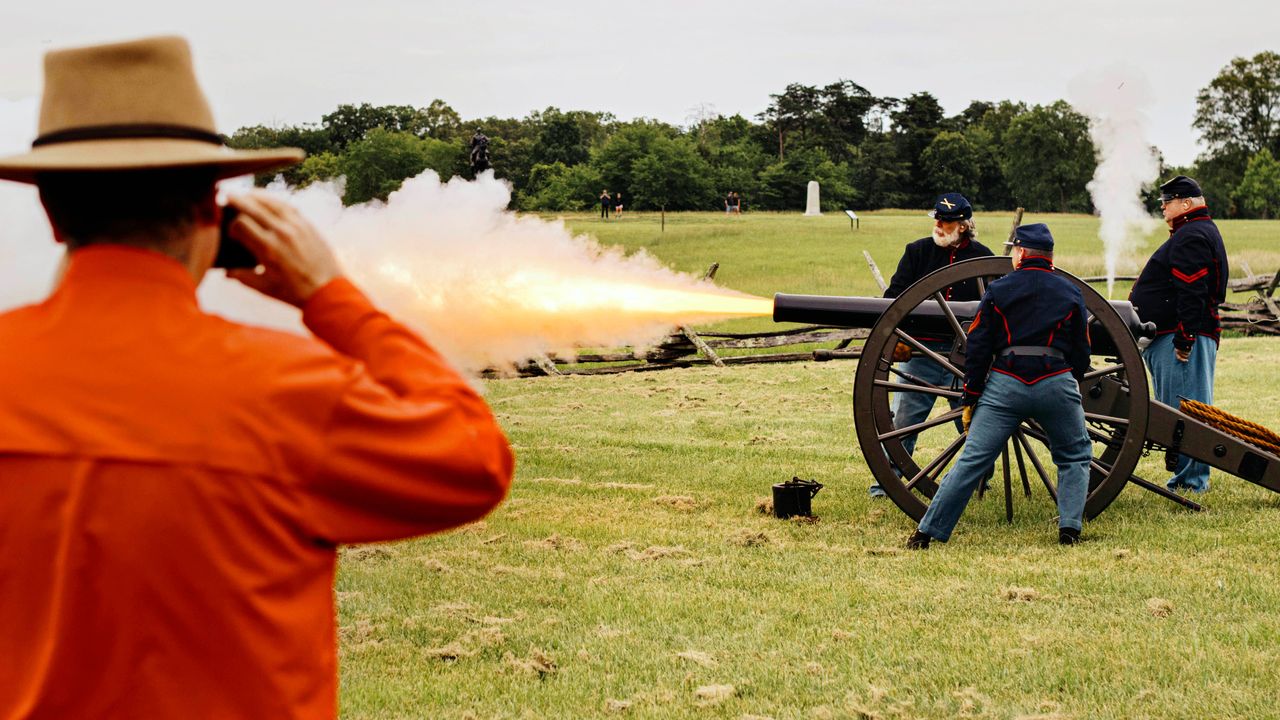

A historic site from the American Civil War has turned into the epicenter of a modern dispute, highlighting enduring discussions about heritage, collective memory, and identity. This location, which was once the scene of a significant battle between Union and Confederate troops, is now embroiled in controversies that mirror wider conflicts in American society.
The battlefield, preserved as a national historic landmark, attracts thousands of visitors each year who seek to understand the events that shaped the nation’s history. However, in recent times, it has become more than a place of remembrance; it has evolved into a symbol around which differing views on the country’s past and future have crystallized.
The central issue of the ongoing disagreement revolves around the manner of remembering and understanding the legacy of the Civil War. To some, the battlefield serves as a solemn reminder of the sacrifices made and a symbol of the struggle for unity and freedom. For others, it is deeply connected to the history of slavery and systemic racism, leading to demands for alterations in how the site is depicted and handled.
Local communities, historians, descendants of the participants, and numerous advocacy organizations have engaged in dialogues and occasionally disputes over statues, plaques, and educational initiatives related to the battlefield. These discussions reflect comparable debates nationwide in the United States regarding Confederate monuments and the public recognition of history.
The expression “We will not simply give up” has surfaced from individuals resolute in conveying their viewpoints in this continuing conversation. It embodies a wider feeling among participants who sense that their link to the land and its past is endangered, whether by perceived disappearance, alteration of narratives, or disregard.
Entities tasked with overseeing the battlefield encounter the difficulty of harmonizing various perspectives while maintaining the site’s authenticity. Initiatives have been undertaken to broaden interpretative resources to incorporate diverse stories, providing guests a more thorough insight into the historical intricacies present.
This ongoing dispute concerning the battleground highlights how historical locations can serve as stages for modern social and governmental conflicts. It demonstrates the persistent influence of history on current identity and politics, as well as the challenges involved in harmonizing differing recollections.
Experts in public history emphasize the importance of inclusive dialogue and education to navigate these tensions. Engaging with all community voices can foster a more nuanced appreciation of the past and encourage reconciliation rather than division.
The issue prompts inquiries regarding the function of governmental bodies and preservation groups in overseeing locations with disputed histories. Open decision-making and community participation are viewed as essential elements in crafting respectful and significant memorials.
As debates continue, the battlefield remains a potent symbol of the nation’s ongoing reckoning with its Civil War legacy. It serves as a reminder that history is not static but is continuously interpreted and reinterpreted by successive generations.
Ultimately, the conflict at this historic site underscores the broader American struggle to confront difficult aspects of its past while forging a shared future. The outcome of these discussions may influence how the country addresses similar issues in other historic locations, shaping national conversations about memory, justice, and identity.
In navigating this complex terrain, stakeholders are challenged to balance respect for heritage with the need for progress, recognizing that historical sites carry profound emotional and cultural significance. The way forward will likely require patience, empathy, and a commitment to dialogue.
This evolving story at the Civil War battlefield offers a window into the broader dynamics of how societies remember and learn from their histories. It highlights the importance of preserving historical truths while remaining open to new interpretations that reflect a more inclusive understanding of the past.
As the nation continues to grapple with these questions, the battlefield stands as both a site of historical importance and a living stage for ongoing conversations about the meaning and legacy of the Civil War.