Month: January 2026

What is profitability and how do I measure it?

The Basics of Profitability: What You Need to Know

Understanding Profitability: Definition and ImportanceProfitability serves as a core idea in finance and business management, functioning as an indicator of an organization’s economic strength and overall performance; it describes the ability of a company, investment, or initiative to produce returns that surpass the costs and expenses incurred within a defined timeframe, and it also reflects how effectively resources are handled to achieve net gains beyond simple income generation.Evaluating profitability plays a key role for business owners, investors, and stakeholders, as it signals long-term viability, supports informed decisions, and influences a company's market valuation. Profitability also remains essential for securing financing…
Read More
How a distant conflict can raise the price of everyday goods

How Global Conflicts Impact Daily Prices

A war or political clash occurring far from home can push up the cost of everyday items through a cascading mix of economic and logistical pressures. Today’s supply networks are deeply interconnected, and vital inputs like energy, metals, food, and shipping capacity tend to be concentrated in a few key producing areas. When turmoil interrupts production, trade routes, insurance services, or financial operations in those locations, input costs rise, and producers ultimately transfer those higher expenses to consumers.Primary transmission pathwaysCommodity supply shocks — Conflicts that interrupt exports of oil, gas, wheat, fertilizers, or metals directly reduce global supply and push…
Read More
Estonia: tech CSR improving cybersecurity education and equitable digital access

Estonia’s Tech CSR: Boosting Cybersecurity Education & Digital Equity

Estonia is widely regarded as a digitally driven nation shaped by extensive cooperation between public institutions and private actors, and after the 2007 cyber attacks that hit governmental and commercial systems, the country rapidly advanced its national cybersecurity strategy while deepening joint initiatives with industry; today, tech companies in Estonia assume a prominent corporate social responsibility role by funding cybersecurity training, broadening digital inclusion, and fostering fair access for people of different ages, regions, and socioeconomic conditions, and this article explores how Estonian tech CSR operates on the ground, presents concrete cases with measurable results, and outlines practical insights that…
Read More
Ecuador: CSR cases supporting the bioeconomy and conservation across diverse territories

Exploring CSR in Ecuador: Bioeconomy & Conservation Successes

Ecuador combines immense biological richness with socioeconomic pressures from extractive industries, agriculture, fisheries and tourism. Corporate social responsibility (CSR) in Ecuador has evolved from isolated philanthropy to strategic partnerships that link business interests with conservation and bioeconomic development. This article maps emblematic CSR approaches across the Amazon, the Andes and páramo, the coastal mangroves and fisheries, and the Galapagos archipelago. It highlights mechanisms, measurable impacts, governance arrangements, and practical challenges for scaling the bioeconomy while protecting ecosystems and rights.How Ecuador’s biodiversity shapes CSR initiatives and drives the bioeconomyEcuador contains a disproportionate share of global biodiversity relative to its land area,…
Read More
Barcelona, en España: cómo escalan startups internacionalmente sin perder enfoque de producto

Paris, France ESG: Investor Expectations on Disclosures & Audit Readiness

Paris occupies a central place in the sustainability and finance conversation. As the birthplace of the 2015 international climate accord, the city and its financial institutions have high visibility on climate transition ambitions. Institutional investors, asset managers, pension funds and banks in Paris and across France increasingly expect clear, comparable, and auditable Environmental, Social and Governance (ESG) disclosures from listed companies and large private firms. The combination of EU rules (notably the Corporate Sustainability Reporting Directive), French regulators’ scrutiny, and strong investor activism makes Parisian markets a leading test case for how disclosure and audit readiness must evolve.Regulatory framework shaping…
Read More
Why water is increasingly seen as a geopolitical risk

The Geopolitical Dimension of Water Scarcity

Freshwater underpins life, agriculture, energy production, industry, and vital ecosystem functions, yet its availability remains both scarce and uneven across the globe. Only around 2.5% of Earth’s water is freshwater, and just about 0.3% of the planet’s total water supply is easily accessible on the surface for human use. Meanwhile, expanding populations, accelerating urbanization, shifting dietary patterns, and ongoing economic growth continue to push demand upward. At the same time, climate change, retreating glaciers, declining groundwater reserves, pollution, and aging infrastructure are undermining the reliability of supply. Together, these pressures push water beyond a local management concern, turning it into…
Read More
pair of white running shoes

The Role of Culture in Modern Fashion

Fashion unfolds as an ever‑evolving tapestry shaped by countless cultural threads, mirroring the wide spectrum of experiences, beliefs, and traditions found across global societies. It represents a sphere where cultural influences emerge through silhouettes, patterns, and evolving trends, highlighting how communities around the world remain closely interconnected.The Historical BackgroundAcross the ages, cultural forces have significantly molded fashion trends, with Renaissance Europe offering a clear example: the era’s styles were shaped by the lavish lives of the aristocracy, whose garments of silk, velvet, and other rich materials projected their prestige and affluence. The period’s detailed patterns and ornate needlework stood as…
Read More
Chile: corporate CSR advancing transparency and community participation in local projects

Transparency & Community: Chile’s CSR for Local Projects

Chile’s economic model has long centered on extractive industries, agriculture, fishing, and export-oriented manufacturing. Those sectors drive prosperity but also concentrate environmental and social impacts in specific regions. As a result, corporate social responsibility (CSR) in Chile is not peripheral marketing — it is a strategic necessity that shapes social license to operate, investor relations, and local development outcomes. Recent years have brought stronger public expectations for transparency and meaningful community participation in local projects, shifting CSR from philanthropy toward governance, disclosure, and co‑design.Regulatory and institutional forces promoting greater transparencySeveral public factors push companies toward greater openness and community engagement:Access-to-information…
Read More
Why energy keeps getting used as a geopolitical tool

The Geopolitics of Energy: A Persistent Tool

Energy is more than fuel and electricity: it underpins industry, transport, household welfare, and military capability. That centrality makes energy an unusually effective lever in international politics. States, companies, and nonstate actors use supply, price, infrastructure, regulation, and technological control to advance strategic aims. The practice persists because of four enduring features: uneven resource distribution, long-lived infrastructure and contracts, the immediacy of economic pain when supplies are constrained, and the broad knock-on effects on alliances and domestic politics.Fundamental dynamics shaping energy geopoliticsSupply manipulation: producers can cut or divert exports to create shortages or punish partners. This is done overtly through…
Read More
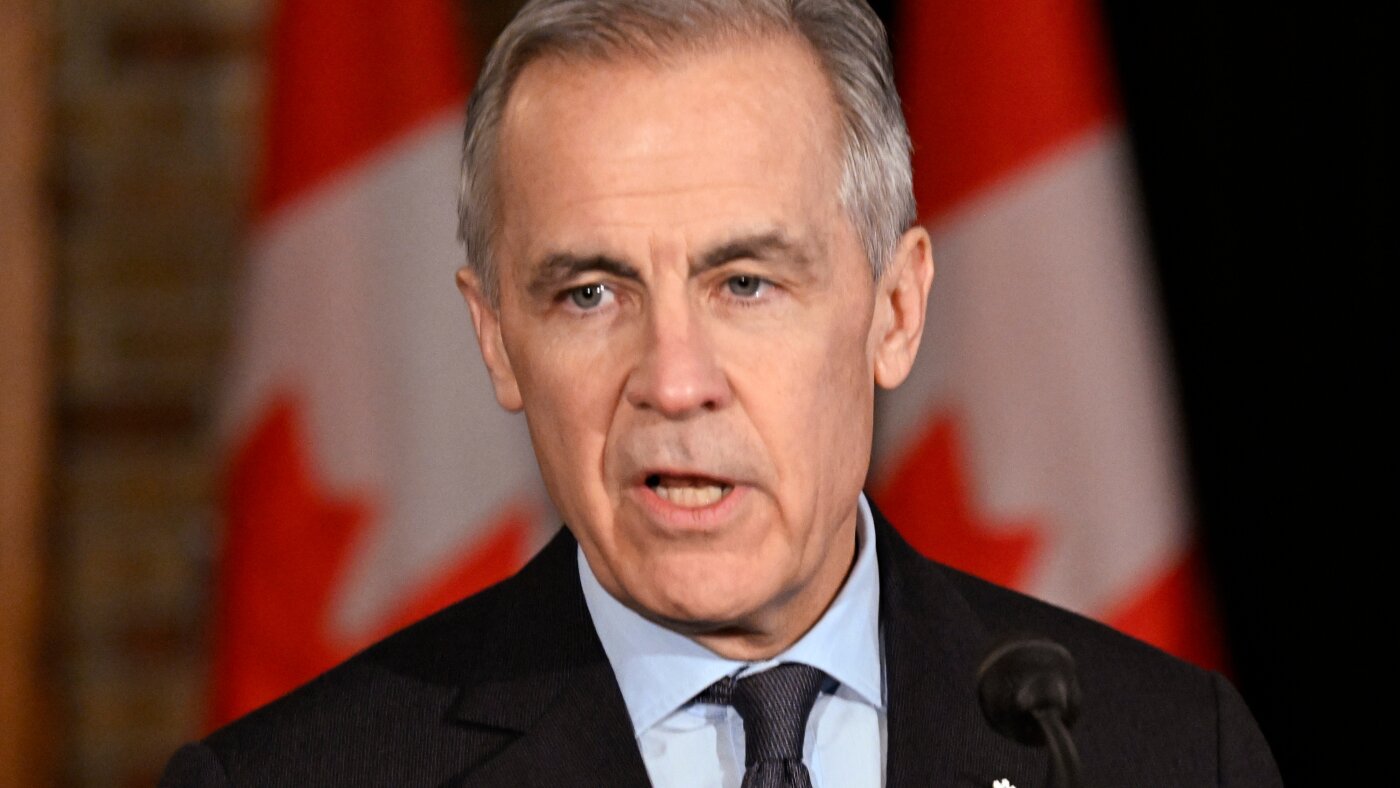
Trump threatens new 100% tariffs on Canada over possible trade deal with China

Canada Faces 100% Tariffs from Trump Amid China Trade Talks

Tensions between the United States and Canada escalated this week as President Donald Trump warned of imposing steep tariffs on Canadian imports if the country pursues closer trade ties with China. His comments mark the latest flare-up in a series of trade disputes between the two neighbors.President Trump’s recent statements have raised concerns over the stability of North American trade relations. Speaking on his social media platform, Truth Social, Trump suggested that Canada risks severe economic consequences if it allows Chinese goods to flow into the U.S. via Canadian markets. He warned that a trade agreement between Canada and China…
Read More