Month: May 2026

What is digital fast fashion?

The concept of digital fast fashion

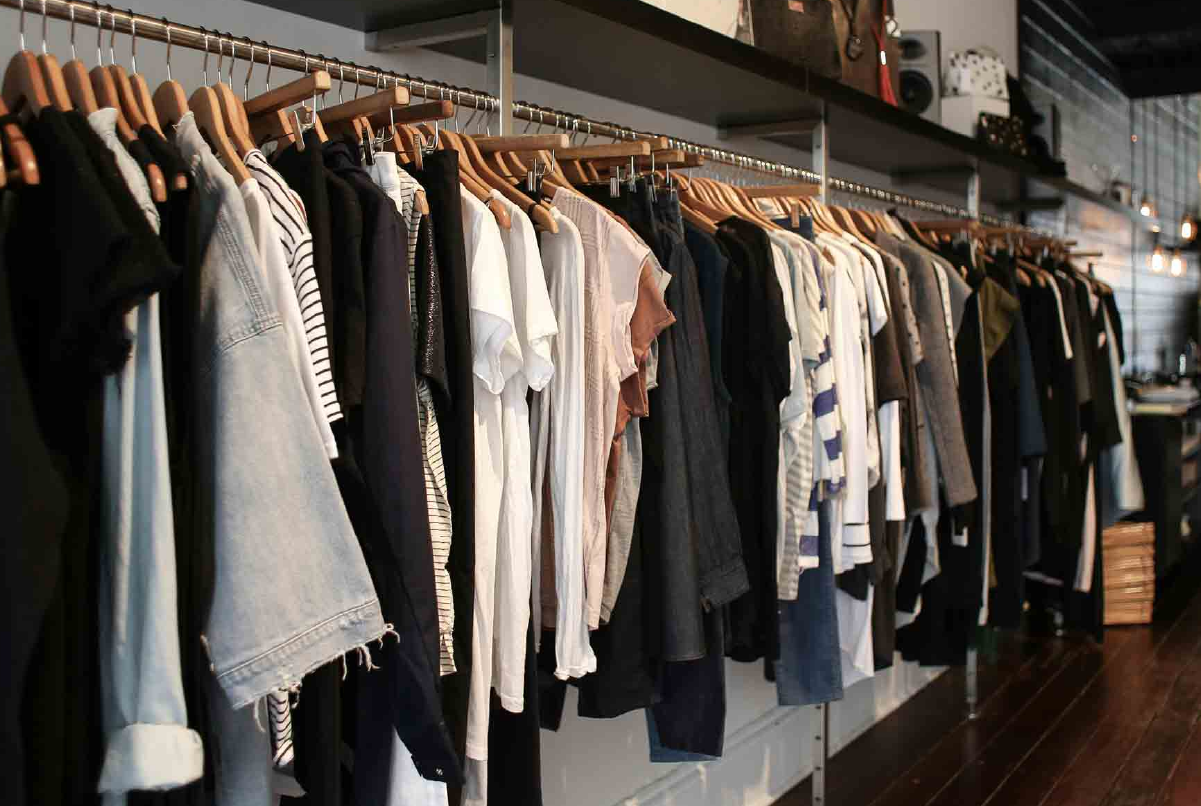
Digital fast fashion represents a rising movement within the fashion sector, marked by the swift creation and delivery of apparel enabled by digital technology and online channels, and while traditional fashion timelines may stretch from months to years before reaching shoppers, digital fast fashion frequently compresses that process into only a few weeks, relying on advanced digital systems, artificial intelligence, and streamlined e-commerce experiences to satisfy customer expectations with near‑instant responsiveness.The Rise of Digital Fast FashionShifting consumer expectations in the digital era serve as a major catalyst for digital fast fashion. Thanks to the internet and social media, people can…

Read More
United States: How investors assess market size, competition, and regulatory exposure before expansion

United States: investor due diligence on market size, competitive analysis, and regulatory hurdles

Expanding into the United States is attractive because of its large consumer base, high GDP per capita, deep capital markets, and strong innovation ecosystems. At the same time the U.S. is heterogenous—federal, state and local rules diverge, industry incumbents are powerful, and enforcement is active. Investors therefore evaluate three linked dimensions before committing capital: how large the addressable market is (and whether it is reachable), how intense and structural competition will be, and how regulatory exposure can affect revenue, cost, timing and exit prospects.Assessing market size: frameworks and data sourcesFrameworks: Total Addressable Market (TAM), Serviceable Available Market (SAM), Serviceable Obtainable…
Read More
man in black crew neck t shirt

What does gender-neutral fashion mean?

Gender-neutral fashion, also known as unisex or non-binary fashion, represents a revolutionary shift in how we perceive and wear clothing today. At its core, gender-neutral fashion challenges traditional gender norms by promoting clothing that is not limited to male or female categories. This paradigm shift is not merely a trend; it is a cultural movement towards inclusivity and self-expression, reflecting broader societal changes in understanding gender identity.Historical ContextHistorically, fashion was largely shaped by rigid gender expectations, with women in the Victorian era wearing corsets and dresses and men distinguished by sharply tailored suits, turning clothing into a clear indicator of…
Read More
Argentina: agribusiness CSR cases with traceability and support for family farmers

Corporate Social Responsibility in Argentine Agribusiness: Traceability & Farmer Support

Argentina’s agribusiness sector stands at the crossroads of global food security, rural livelihoods, export income, and environmental stewardship, uniting major commercial growers, multinational traders, an extensive range of family farmers, and smallholder cooperatives; CSR programs that combine traceability with targeted support for family farming have steadily become vital for meeting sustainability demands, reducing supply‑chain risks, and strengthening rural development outcomes.Why support and product traceability for family farmers truly matterStrong traceability systems allow companies to confirm the provenance, legal compliance, and environmental integrity of commodities such as soy, corn, beef, peanuts, and fruit. Traceability underpins three principal CSR drivers:Market access and…
Read More
Voyager 1 has little time left in interstellar space. An ambitious Big Bang fix may change that

Interstellar Journey’s End for Voyager 1? A Big Bang Fix Aims to Change It

Humanity’s most distant spacecraft continues its silent voyage beyond the solar system. To keep it alive, engineers are making difficult choices about which instruments must go dark. Each decision reflects a delicate balance between survival and discovery at the edge of space.As it continues its trek through interstellar space, Voyager 1 has moved into a fresh operational phase focused on preserving limited resources instead of expanding capabilities, and in mid-April, NASA engineers issued a command to power down one of the spacecraft’s scientific instruments to conserve energy and prolong its working life, a decision that underscores both the mission’s remarkable…
Read More
What makes single-family rental a durable investment theme?

What makes single-family rental a durable investment theme?

Single-family rental, often referred to as SFR, denotes detached homes leased to tenants rather than occupied by their owners, and over the past two decades this segment has evolved from a scattered, modest-scale market into a fully institutionalized investment class, its lasting attractiveness reinforced by stable demand drivers, reliable income prospects, and the flexibility to adapt to shifting economic environments.Key Structural Forces Shaping DemandThe resilience of SFR stems from enduring demographic and lifestyle patterns that reliably sustain demand.Household formation outpacing homeownership: In many developed markets, especially throughout the United States, newly established households have been increasing at a pace that…
Read More
France: corporate CSR advancing decarbonization and social-impact procurement

French Corporate CSR Initiatives: Decarbonization & Social Procurement

France holds a pivotal role in Europe, where corporate social responsibility is shifting from a mere reputational element to a fundamental engine for climate action and inclusive procurement. Businesses, financial actors, and public purchasers are synchronizing their policies, investments, and buying practices to cut greenhouse gas emissions and deliver tangible social value throughout their supply chains. This article explores the regulatory and market landscape, corporate pathways to decarbonization, the expansion of social-impact purchasing, the tools for measurement and financing, real-world examples, existing barriers, and concrete best practices for organizations operating in France.Regulatory and policy context shaping corporate behaviorNational and EU…
Read More
The Gambia: agriculture CSR advancing fair value chains and rural training

The Gambia: enhancing agriculture with CSR, fair value chains, and rural training

Agriculture remains at the heart of livelihoods, employment, and food security in The Gambia, a small nation in West Africa where smallholder farmers largely shape the production of staple and cash crops, including groundnuts, rice, millet, maize, vegetables, and fruit. The sector contributes about one quarter of the country’s gross domestic product and underpins most rural employment. As a result, corporate social responsibility (CSR) programs focused on agriculture can yield significant social impact while strengthening supply chains and opening pathways for sustainable commercial growth.What fair value chains mean for Gambian agricultureFair value chains focus on ensuring value is shared fairly,…
Read More
Trump has a new Strait of Hormuz plan. The market isn’t buying it

Trump’s Hormuz strategy: Why the market isn’t convinced

Oil market uncertainty intensifies as attempts to ease congestion in the Strait of Hormuz prove inadequateA deepening choke point along one of the globe’s most vital maritime corridors has left energy markets increasingly unsettled.The global energy system is under mounting pressure as congestion in the Strait of Hormuz continues to disrupt the flow of oil shipments. While the administration of Donald Trump has introduced a new initiative intended to help vessels pass through the narrow corridor, early reactions from financial markets suggest limited confidence in its effectiveness. Instead of easing concerns, recent developments have reinforced fears that the supply crunch…
Read More
Gabon: CSR cases supporting forest conservation and sustainable local jobs

Gabon: CSR Strategies for Sustainable Forests and Community Jobs

The forest landscape in Gabon and its related CSR potentialGabon is one of the most forested countries in the world, with approximately 80–90% forest cover and a high proportion of intact ecosystems across the Congo Basin. The country set aside a network of national parks in the early 2000s and pursues policies aimed at balancing resource use with conservation. Because industrial sectors such as oil and mining dominate formal GDP, corporate social responsibility (CSR) programs have particular potential to channel private-sector resources into forest conservation while creating sustainable local employment and value chains for rural communities.CSR approaches that promote woodland…
Read More