Health

U.S.-funded contraceptives for poor nations to be burned in France, sources say

Sources: U.S.-funded birth control for poor nations set for destruction in France

A sizable consignment of contraceptives funded by the U.S., worth almost $10 million and originally designated to aid family planning initiatives in nations with lower incomes, is presently set to be disposed of in a medical waste plant located in France. This resolution follows several months of political and logistical stalemate that resulted in the stockpile—which includes birth control pills and long-term reversible contraceptives such as implants and intrauterine devices—being stuck in a storage facility in Europe.The birth control supplies, acquired via an American foreign aid initiative aimed at enhancing worldwide access to reproductive health, became entangled in the aftermath…

Read More
Could cancer drugs be the future of Alzheimer's treatment?

Could cancer drugs be the future of Alzheimer’s treatment?

As Alzheimer’s disease continues to affect millions worldwide and effective treatments remain limited, scientists are exploring a bold new direction: repurposing cancer medications. Research is shedding light on the possibility that drugs originally developed to treat tumors might help slow, or even reverse, the cognitive decline associated with Alzheimer’s. This innovative strategy aims to accelerate treatment development and offer new hope for patients in need.The concept behind this strategy is intriguing: numerous cancer treatments that have already been deemed safe for humans can swiftly proceed into Alzheimer’s clinical trials. These medications are being studied for their potential to affect biological…
Read More
Summer Covid cases are rising across the U.S. — Is it time for a vaccine?

With Covid cases rising this summer in the U.S. — Should you vaccinate?

As the summer progresses, there is a noticeable increase in COVID-19 cases across several regions of the United States. Although the numbers are not as high as in past years, the recent rise is significant enough to reignite discussions about preventative actions, particularly concerning the possible requirement for new vaccine updates.Esta reaparición estacional ha sido detectada a través de un incremento en los niveles de partículas virales en los sistemas de vigilancia de aguas residuales, un indicador anticipado confiable de la propagación comunitaria. Las visitas a los departamentos de emergencia y las hospitalizaciones también han mostrado un aumento leve pero…
Read More
Chronic Lyme Disease Was Once Dismissed. More Doctors Are Coming Around.

Chronic Lyme Disease Was Once Dismissed. More Doctors Are Coming Around.

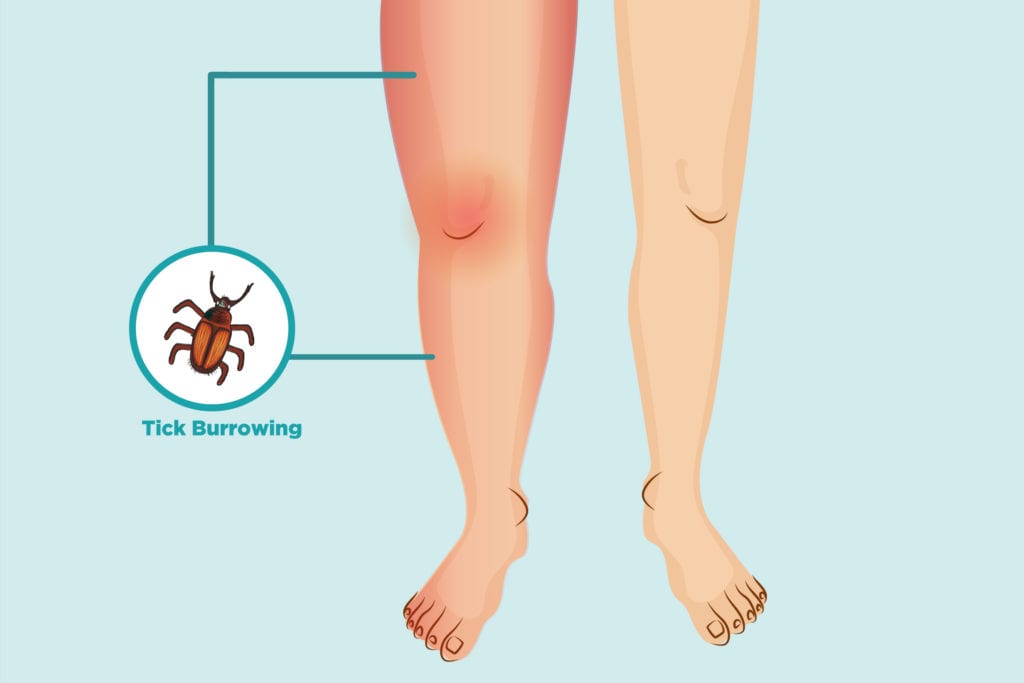
For many years, patients experiencing lingering symptoms long after treatment for Lyme disease often found themselves facing skepticism, both from the medical community and broader public. These individuals reported chronic fatigue, joint pain, cognitive difficulties, and neurological issues, even after completing standard antibiotic therapies. While these symptoms were real to patients, the concept of “chronic Lyme disease” remained contentious in the world of medicine. Today, however, there is a noticeable shift in how the condition is being acknowledged and addressed by healthcare professionals.Lyme disease, resulting from the bacterium Borrelia burgdorferi and spread by the bite of infected blacklegged ticks, stands…
Read More
U.S. program to combat HIV/AIDS survives Trump's latest round of cuts

U.S. HIV/AIDS relief program outlasts Trump’s most recent cuts

The U.S. government’s flagship HIV/AIDS response program has avoided a proposed budget cut under the Trump administration’s broader efforts to retract federal spending. The ongoing debate over the program’s funding underscores the tension between fiscal restraint and global health priorities.In the midst of the debate stands PEPFAR (the President’s Emergency Plan for AIDS Relief), a fundamental element of U.S. health diplomacy since it was initiated in 2003. Throughout its twenty-year existence, PEPFAR has financed treatments, prevention measures, and support services that save lives in numerous nations—contributing to a decrease in new infections, lowering the rate of transmission from mother to…
Read More
Our body is a mosaic of fungi. Some scientists think they could be influencing our brain

Fungi in our body: Are they shaping our brain function?

The human body is not merely a carrier for countless bacteria and viruses, but is also abundant with fungi. Though typically linked to conditions such as athlete’s foot or yeast infections, these tiny organisms are, in reality, a normal and frequently unnoticed component of the body's internal environment. Recent scientific advancements propose that these fungal inhabitants might not only coexist with us but could also be quietly affecting the way our brains operate.Fungi, like bacteria, are an essential part of the human microbiome. Found on the skin, in the mouth, throughout the digestive system, and even in the lungs, these…
Read More
Musk's brain implant company filed as a 'disadvantaged business'

Why Musk’s brain implant startup is a ‘disadvantaged business’

Neuralink, the neurotechnology enterprise led by Elon Musk, is recognized for its pioneering brain implant devices. The company has been recently identified as a “disadvantaged business,” a status that could enable it to access distinct government programs intended to assist businesses owned by minorities or those that are economically underrepresented. This designation prompts inquiries regarding the company’s strategic maneuvering and possible effects on its development path within a competitive tech environment.The brain implant company, which operates at the forefront of neural interface innovation, focuses on developing implantable devices designed to bridge human cognitive functions with advanced computer systems. These devices…
Read More
Democratic attorneys general sue to block changes to ACA health insurance marketplaces

Democratic attorneys general take legal action against ACA health insurance marketplace changes

A group of Democratic attorneys general has started a lawsuit due to proposed federal amendments that could greatly change the management and availability of health insurance via Affordable Care Act (ACA) marketplaces. The legal case represents increasing worries that the regulatory alterations might restrict coverage choices and lessen consumer safeguards, mainly for vulnerable groups who depend on these healthcare exchanges.The heart of the disagreement revolves around new governmental policy provisions that alter the functioning of state-based health insurance exchanges. Critics claim that these changes might compromise the ACA's integrity by permitting some plans that fall short of the law’s initial…
Read More
Congress targets hair products with cancer-causing ingredients marketed to Black women

US Congress probes hair products with cancer-linked ingredients marketed to Black women

Over the last few months, there has been a growing focus on specific hair care items frequently advertised to Black women, especially those with ingredients that may cause cancer. National legislators have started to formally tackle these issues, highlighting the possible health inequities caused by insufficient oversight in the personal care sector.This push comes in response to growing scientific evidence and mounting public concern. Studies have shown that many hair relaxers, straightening creams, and other widely used products may contain endocrine-disrupting chemicals or carcinogens. The concern is especially pressing given the disproportionate use of these products by Black women, who…
Read More
Making these lifestyle changes reduces chronic disease, even if you have a genetic risk

Combat chronic disease with these lifestyle changes—even if you’re genetically at risk

While genetics can influence susceptibility to chronic diseases such as heart conditions, diabetes, and certain cancers, research increasingly shows that lifestyle choices can play a powerful role in shaping long-term health outcomes. Even individuals with a strong genetic predisposition to illness may significantly reduce their risk by embracing healthier daily behaviors.Scientific findings continue to support the idea that while we can’t choose our DNA, we do have control over many of the factors that affect how those genes are expressed. Lifestyle modifications—including a balanced diet, regular physical activity, adequate sleep, stress management, and avoiding harmful substances—can effectively counterbalance inherited risks,…
Read More